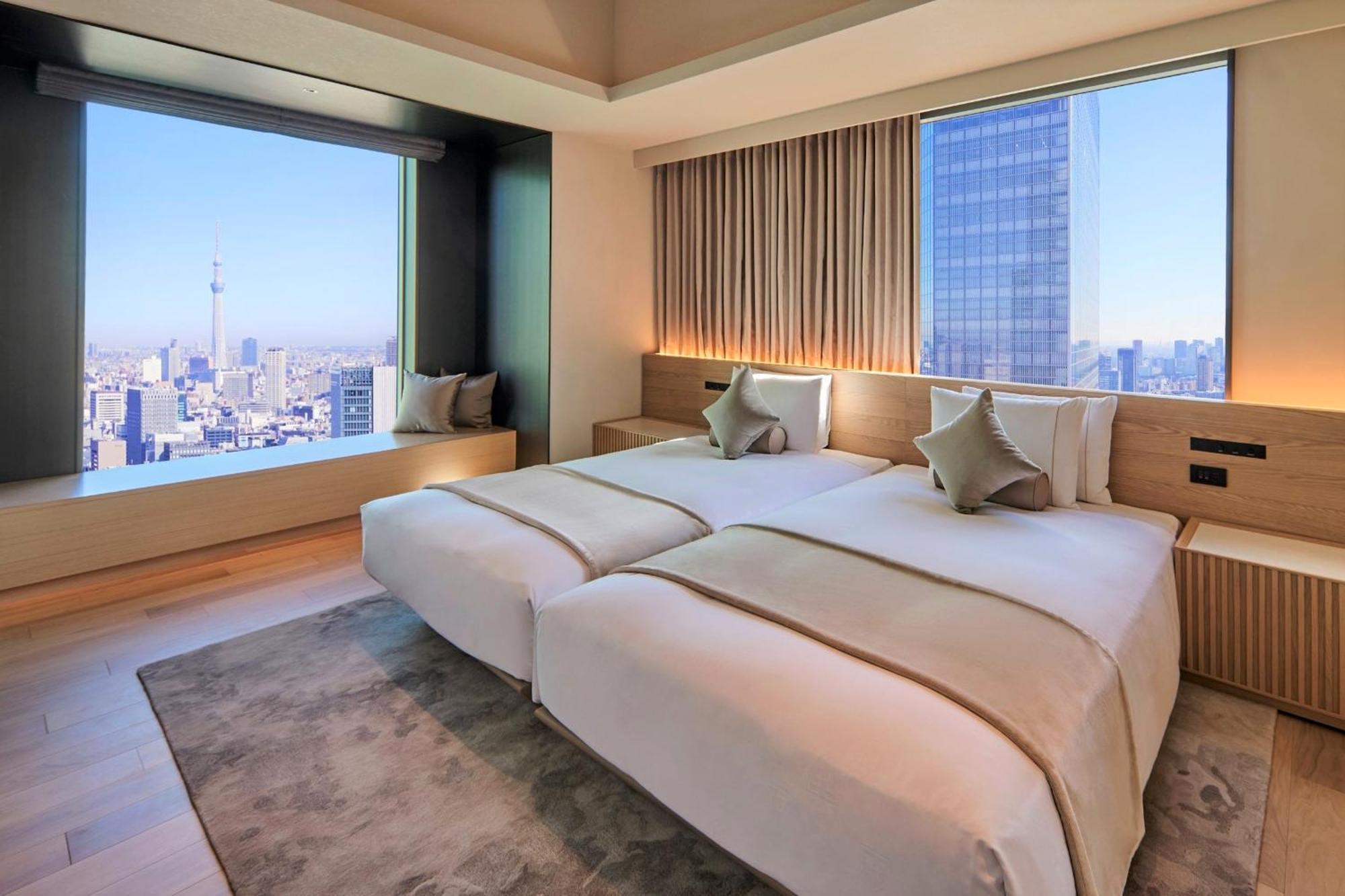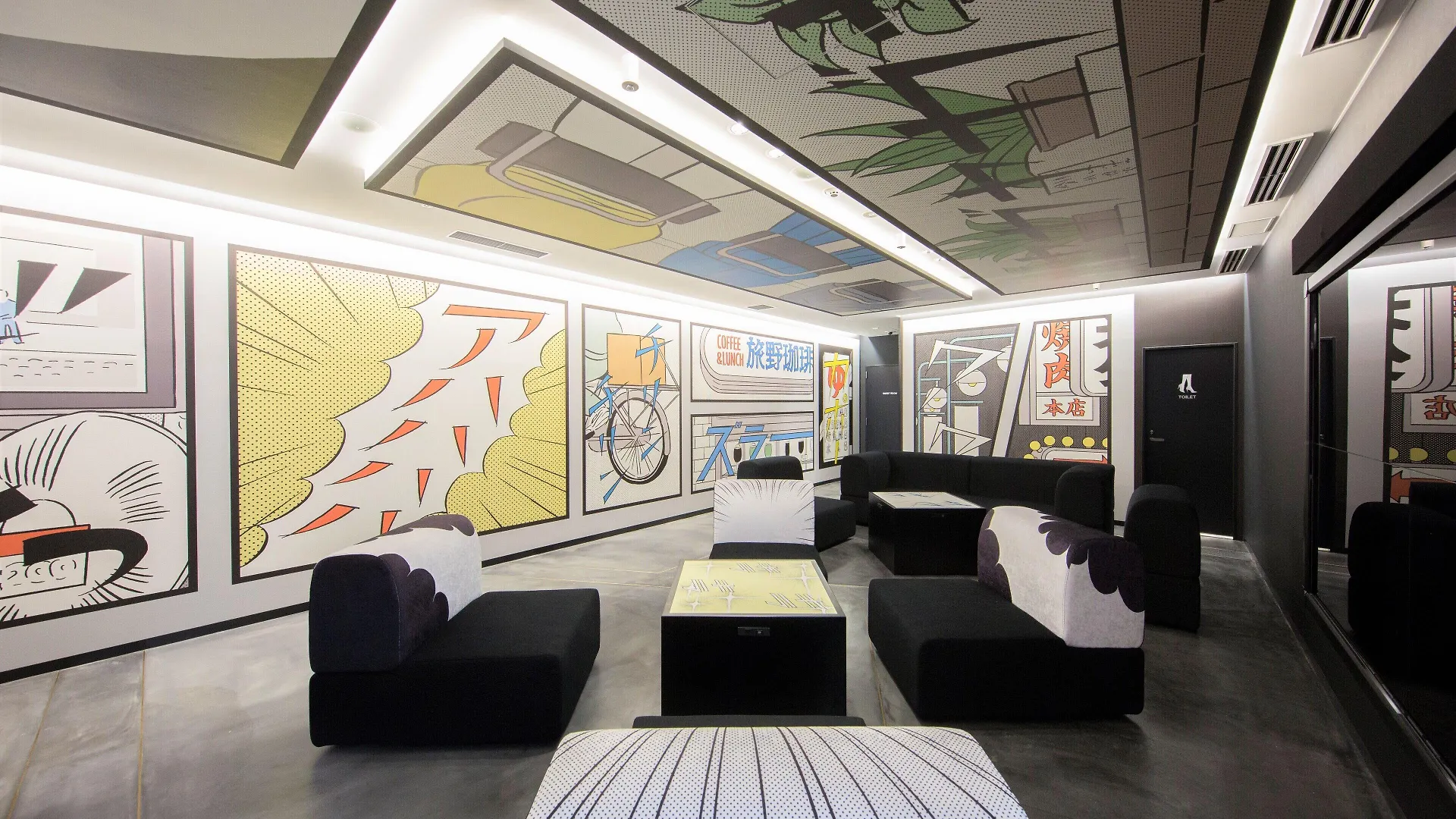
Central Tokyo concentrates most of the city's major rail hubs, business districts, and tourist corridors within a compact, highly walkable network. WHG Hotels - operating under the Washington Hotels and Hotel Gracery brands - holds a consistent presence across four of these districts: Shinjuku, Hamamatsucho, and Akihabara. Each WHG property is built around a practical value proposition: station-proximity, functional room layouts, and consistent service standards without the price premium of full-service luxury hotels. This guide helps you decide which property matches your itinerary, travel rhythm, and budget.
What It's Like Staying in Central Tokyo
Staying in Central Tokyo means you are rarely more than a short train ride from any major attraction - but the experience varies sharply depending on your exact subdistrict. Shinjuku operates at a relentless pace: the station handles around 3.5 million passengers daily, crowds on Kabukicho-facing streets peak well after midnight, and noise is a genuine consideration on lower floors of hotels near the east exit. Hamamatsucho and Akihabara offer a more measured rhythm - busy during commute hours and district-specific spikes, but quieter at night. All three neighborhoods sit on or within walking distance of the JR Yamanote Line, which loops Tokyo's core districts and makes cross-city movement fast and predictable without requiring subway transfers.
Pros:
* Direct Yamanote Line access from Shinjuku, Hamamatsucho, and Akihabara eliminates the need for complex subway planning
* Convenience stores, pharmacies, and restaurants operate 24 hours within a 5-minute walk of every WHG property listed here
* Airport limousine buses serve Shinjuku's west side directly, reducing the friction of arriving or departing with heavy luggage
Cons:
* Shinjuku station's 200-plus exits create genuine navigation confusion for first-time visitors, especially with luggage
* Hotel rooms in Central Tokyo run compact by international standards - expect around 20 square meters in standard configurations
* Peak hours on the Yamanote Line (8:00 AM to 9:30 AM) make train travel uncomfortable for anyone with large bags
Why Choose WHG Hotels in Central Tokyo
WHG Hotels - a brand group operated by Fujita Kanko and active in Japanese cities since 1973 - positions its properties as business-grade hotels with traveler-facing practicality: reliable free WiFi, 24-hour front desks, daily housekeeping, and functional en suite bathrooms with full bathtub setups. In Central Tokyo, this translates to a category that sits clearly between budget capsule hotels and full-service international chains. Rates at WHG properties in Central Tokyo typically run around 35% below comparable Shinjuku or Akihabara luxury hotels, while offering more room structure than budget hostels - including private bathrooms, flat-screen TVs, and electric kettles in nearly all room types. The trade-off is room size: WHG standard rooms prioritize functional layout over spaciousness, which suits solo travelers and pairs on a move-heavy itinerary far better than families needing spreading-out space.
Pros:
* Consistent brand standards across properties - what you see in the booking description matches the actual room
* Airport shuttle access (Shinjuku properties) and proximity to the Tokyo Monorail (Hamamatsucho) make arrival logistics straightforward
* 24-hour front desk at all properties handles late-night check-ins, currency exchange, and luggage storage without extra coordination
Cons:
* No swimming pools, fitness centers, or concierge-led experiences - this is a functional-stay category, not a resort experience
* Breakfast quality varies by property; not all WHG hotels in this selection include it in the base rate
* Parking is available but limited and fee-based - not a practical choice for travelers arriving by rental car
Practical Booking & Area Strategy
For Shinjuku-based stays, positioning near the west exit - specifically along Koshu-Kaido Avenue toward Nishi-Shinjuku - puts you within a 5-minute walk of Tochomae Station (Toei Oedo Line) and the airport limousine bus stop, while avoiding the congestion of the east-exit entertainment zone. The Oedo Line from Tochomae connects directly to Roppongi in around 12 minutes, making it a legitimate base for both business and sightseeing without relying solely on the crowded Shinjuku main lines. In Akihabara, a 1-minute walk from JR Akihabara Station also gives access to the Tokyo Metro Hibiya Line and the Tsukuba Express - three separate networks from a single exit point, which is exceptional coverage for cross-city movement. Hamamatsucho's strategic advantage is its direct Tokyo Monorail connection to Haneda Airport, cutting transfer time to around 25 minutes door-to-terminal. For things to do, Central Tokyo's key attractions - the Tokyo Metropolitan Government Building observation deck (free entry), Shinjuku Gyoen National Garden, Akihabara's electronics district, and Tokyo Tower - are all reachable within a short rail or walking trip from any of these WHG properties. Book at least 8 weeks in advance for cherry blossom season (late March to early April) and Golden Week (late April to early May), when Central Tokyo hotel inventory tightens sharply and rates spike by around 40%.
Best Value Stays
These two properties offer the strongest cost-to-location ratio in the WHG Central Tokyo lineup - compact rooms, well-placed station access, and no-frills practicality that suits travelers prioritizing mobility over in-hotel amenities.
-
1. Hotel Tavinos Hamamatsucho
Show on map


 Check-infrom 15:00 until 23:59Check-outfrom 06:00 until 11:00
Just a few rooms left at the best rate!
fromJP¥ 7349
-
2. Akihabara Washington Hotel
Show on map


 Check-infrom 14:00 until 22:00Check-outuntil 11:00
Just a few rooms left at the best rate!
fromJP¥ 8493
Best Premium Stays
These two Shinjuku properties offer broader on-site infrastructure - multiple restaurants, airport shuttle access, and in the case of Hotel Gracery, a culturally distinctive positioning that goes beyond standard business-hotel formula.
-
3. Shinjuku Washington Hotel Annex
Show on map


 Check-infrom 14:00 until 23:59Check-outuntil 11:00
Hurry – almost gone at this price!
fromJP¥ 27111
-
4. Hotel Gracery Shinjuku
Show on map


 Check-infrom 14:00 until 23:59Check-outuntil 11:00
Rooms filling fast – secure the best rate!
fromJP¥ 24171
Smart Travel & Timing Advice for Central Tokyo
Central Tokyo hotel rates follow two clear pressure points: cherry blossom season (late March to early April, peaking around the first week of April) and Golden Week (late April to early May). During these windows, WHG properties in Shinjuku and Akihabara fill up weeks ahead, and rates across the board climb by around 40% above standard pricing. The quietest - and most affordable - windows are mid-January to late February and the second half of November, when business travel is moderate and tourism hasn't peaked. For a first visit covering Shinjuku, Akihabara, and central sightseeing, three to four nights is the minimum to avoid feeling rushed; five nights allows day-trip capacity to Nikko, Kamakura, or Hakone without losing Tokyo time. Last-minute bookings in Central Tokyo are risky year-round: WHG properties are consistent performers with repeat business and corporate contracts, meaning availability drops faster than at independent hotels. Book at least 8 weeks out for standard periods, and around 5 months ahead for the March-April sakura window. If arriving late at night from an international flight, the Shinjuku Washington Hotel Annex's airport shuttle and Akihabara Washington's 1-minute station walk are the two lowest-friction arrival options in this selection.