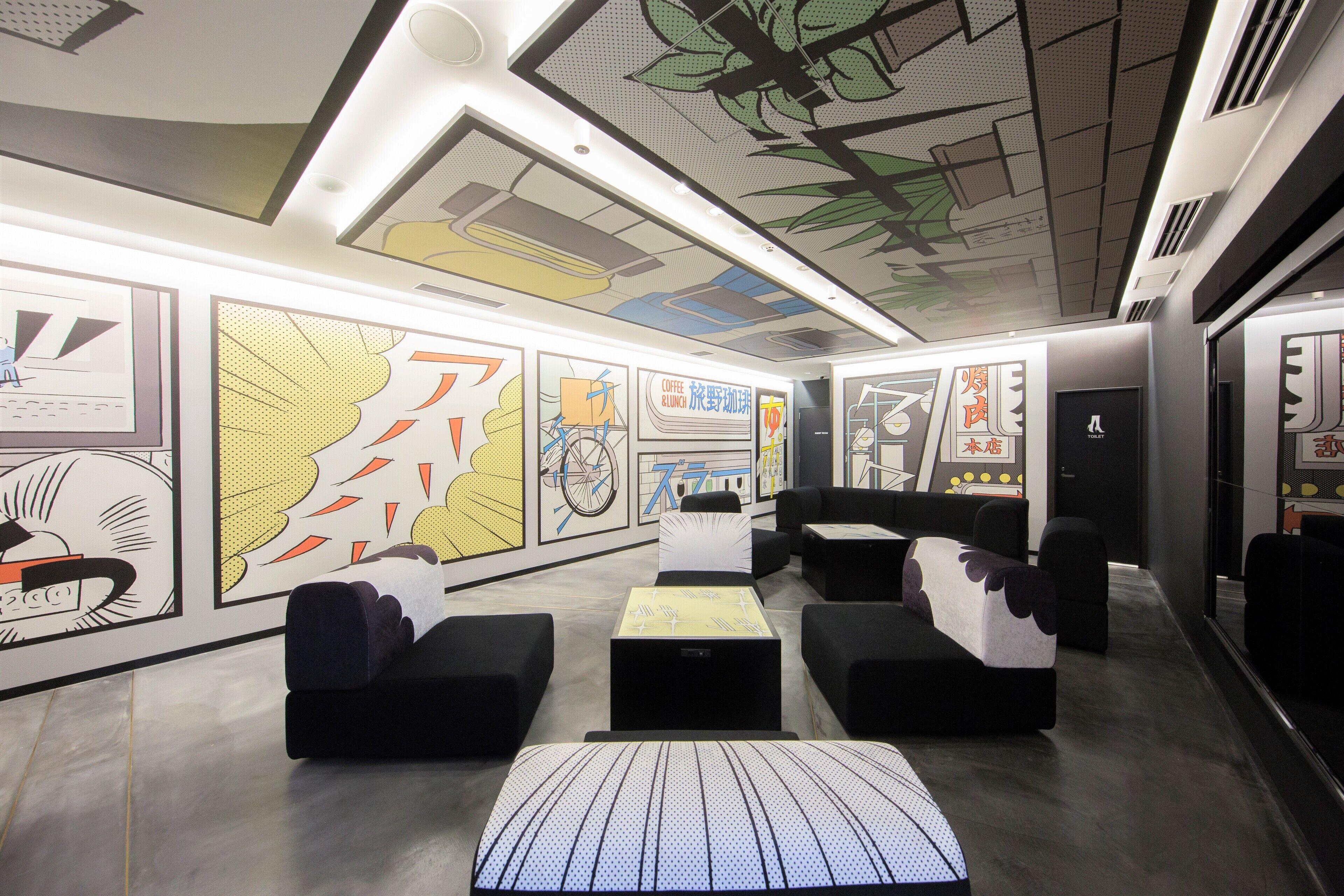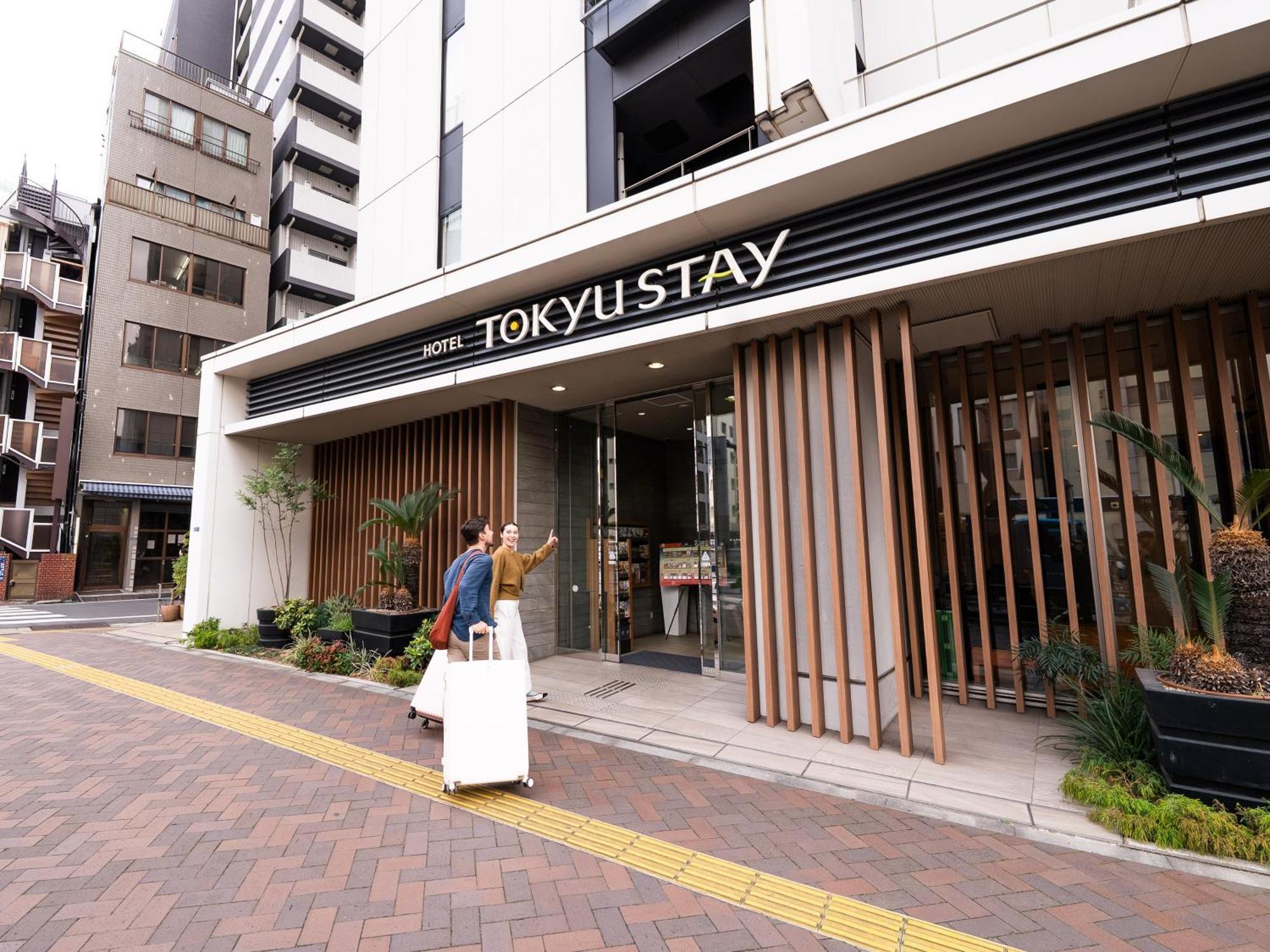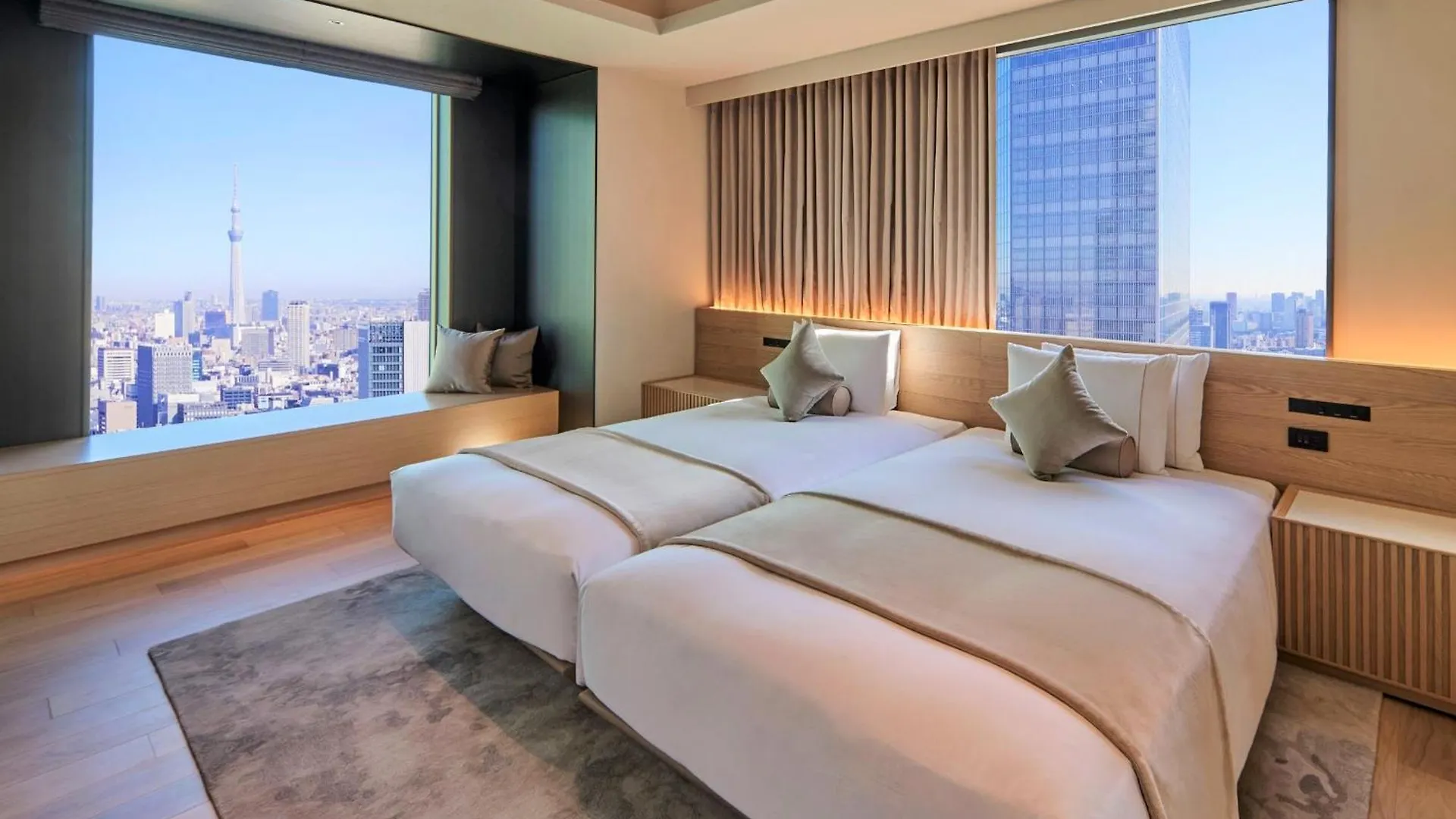
Central Tokyo covers some of the city's most transit-dense and commercially active zones - Ginza, Nihonbashi, Shiodome, and Shimbashi - where the Royal Park Hotels brand operates three distinct properties across different price tiers and micro-locations. Whether you need direct subway access for business meetings or a high-floor city view after long days of sightseeing, choosing the right Royal Park property here means understanding exactly what each address delivers.
What It's Like Staying in Central Tokyo
Central Tokyo - spanning Ginza, Nihonbashi, Shiodome, and Shimbashi - operates at a different pace than the nightlife hubs of Shinjuku or Shibuya. Most major subway lines cross through here, meaning you're rarely more than two transfers from anywhere in the city. The streets around Ginza and Nihonbashi clear noticeably after 9 PM, making it a quieter overnight experience than tourist-heavy areas, though izakayas around Shimbashi stay lively well into the night.
Daytime foot traffic is driven by office workers and upscale shoppers, not tour groups, which keeps congestion manageable on sidewalks even during weekdays. Staying here positions you around 15 minutes by subway from Asakusa, Akihabara, and Roppongi - all reachable without a JR Pass.
Pros:
- * Multiple subway lines converge here, reducing transit time across the city significantly
- * Quieter nighttime atmosphere than Shinjuku or Shibuya, with fewer crowds near hotels
- * Direct airport limousine bus access from Shiodome and Tokyo City Air Terminal near Nihonbashi
Cons:
- * Evening dining options thin out quickly once the office crowd leaves Ginza and Nihonbashi
- * Premium location commands higher hotel rates compared to areas like Ueno or Asakusa
- * Limited budget accommodation options - this area skews mid-range to upscale
Why Choose Royal Park Hotels in Central Tokyo
The Royal Park Hotels brand occupies a consistent mid-to-upper tier across its three Central Tokyo properties, targeting guests who want reliable Japanese hospitality standards - daily housekeeping, bilingual front desk, structured dining - without committing to full luxury pricing. All three properties are non-smoking throughout, which is a meaningful differentiator given that many Tokyo hotels still designate only partial floors as non-smoking. Room sizes across the brand lean functional rather than expansive, with standard doubles typically in the 20-25 sqm range, though Executive and Premium floor categories offer more space and lounge access perks.
Compared to international chain hotels in Ginza or Marunouchi, Royal Park properties tend to integrate better on-site dining - the Nihonbashi flagship alone runs five restaurant and bar outlets - which reduces the need to navigate unfamiliar streets after late arrivals. The brand's subway connectivity is a consistent strength: two of the three properties are within a 3-minute walk or directly connected to a station.
Pros:
- * Fully non-smoking across all three properties - uncommon at this price point in Tokyo
- * On-site dining across all properties reduces dependency on late-night street navigation
- * Executive and Premium floor tiers offer lounge access and streaming-equipped rooms at a step-up, not a luxury-hotel price jump
Cons:
- * Standard room sizes are compact by Western expectations - not the brand's strength for longer stays
- * The brand lacks a rooftop pool or high-end spa outside the Nihonbashi flagship
- * Parking is available but not free - a relevant cost for guests driving in Tokyo
Practical Booking & Area Strategy
For the Shiodome property, positioning near the Shimbashi-Shiodome corridor gives you dual station access - JR Yamanote Line at Shimbashi and the Yurikamome monorail at Shiodome - plus a direct 35-minute train link to Haneda Airport from Shimbashi Station, making this the most transit-flexible option of the three. The Ginza 6-Chome property sits within 500 metres of Ginza Station, where five subway lines intersect, putting Roppongi, Shibuya, and Ueno all under 20 minutes away. The Royal Park Hotel in Nihonbashi is directly connected underground to Suitengumae Station on the Hanzomon Line, with the Tokyo City Air Terminal next door serving both Narita and Haneda airport limousines.
In terms of things to do within walking range: Hamarikyu Gardens is a short walk from Shiodome, Tsukiji Outer Market is reachable on foot from Ginza, and the Nihonbashi bridge - the historic zero-kilometre point of Japan's road network - is steps from the Royal Park Hotel. Book at least 6 weeks ahead for late March and early May, when cherry blossom season and Golden Week push occupancy across Central Tokyo to near capacity. Outside these windows, mid-week rates can run noticeably lower, particularly at the Ginza 6-Chome property, which caters heavily to domestic business travelers whose demand drops on weekends.
Best Value Stays
These two properties deliver the core Royal Park experience - reliable service, non-smoking rooms, on-site dining - with strong transit positioning at a more accessible price point than the Nihonbashi flagship.
-
1. The Royal Park Hotel Iconic Tokyo Shiodome
Show on map


 Check-infrom 15:00 until 23:30Check-outuntil 11:00
Just a few rooms left at the best rate!
fromJP¥ 40249
-
2. The Royal Park Hotel Ginza 6-Chome
Show on map


 Check-infrom 15:00 until 23:59Check-outuntil 11:00
Hurry – almost gone at this price!
fromJP¥ 33213
Best Premium Stay
The Nihonbashi flagship is the most fully equipped property in the Royal Park portfolio in Central Tokyo, with direct underground station access, five dining outlets, and a spa - making it the strongest choice when budget allows and convenience is non-negotiable.
-
3. Royal Park Hotel
Show on map


 Check-infrom 15:00 until 23:59Check-outuntil 12:00
Rooms filling fast – secure the best rate!
fromJP¥ 40576
Smart Travel & Timing Advice for Central Tokyo
The two clearest booking pressure points for Central Tokyo hotels are late March through early April - cherry blossom season, when Hamarikyu Gardens near Shiodome and parks across the city fill daily - and the Golden Week window at the end of April into early May, when domestic travel surges and mid-range hotels across Ginza and Nihonbashi sell out weeks in advance. Book at least 6 weeks ahead for either window; for cherry blossom dates specifically, 8-10 weeks is safer given how unpredictably quickly rooms at well-located properties are claimed. Outside those peaks, October and November offer the most stable combination of mild weather, manageable crowds, and mid-week rate availability - particularly at the Ginza 6-Chome property, where weekend rates drop meaningfully when the business travel market softens.
In terms of stay length, 3 nights is the practical minimum for Central Tokyo to offset the transit investment of the airport journey and allow a sensible mix of nearby and farther attractions. Last-minute availability exists mostly in January and February, Tokyo's quietest tourism months, when rates across all three Royal Park properties tend to soften - a realistic window for flexible travelers who can tolerate cold but dry conditions and near-empty streets around Nihonbashi and Ginza after dark.