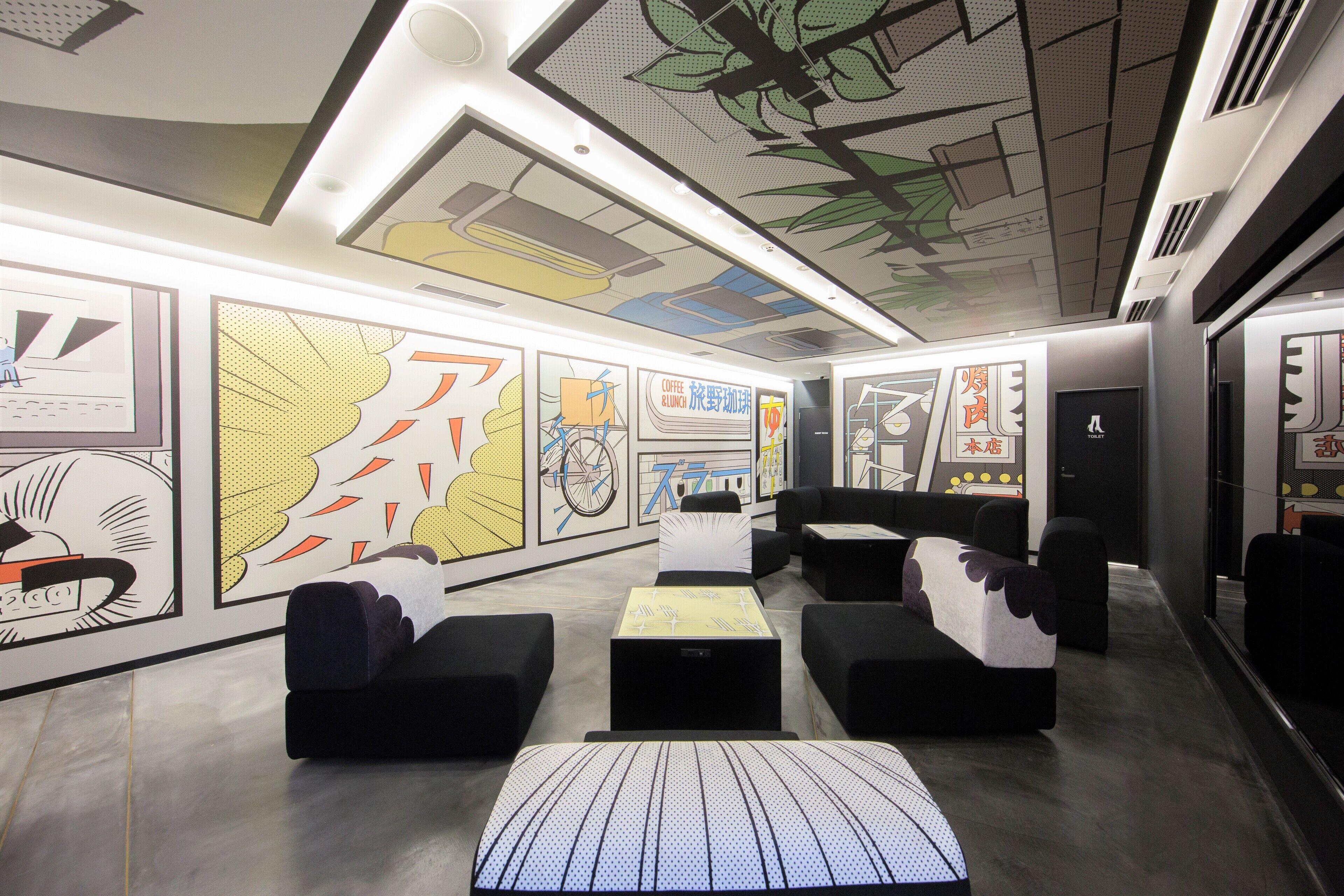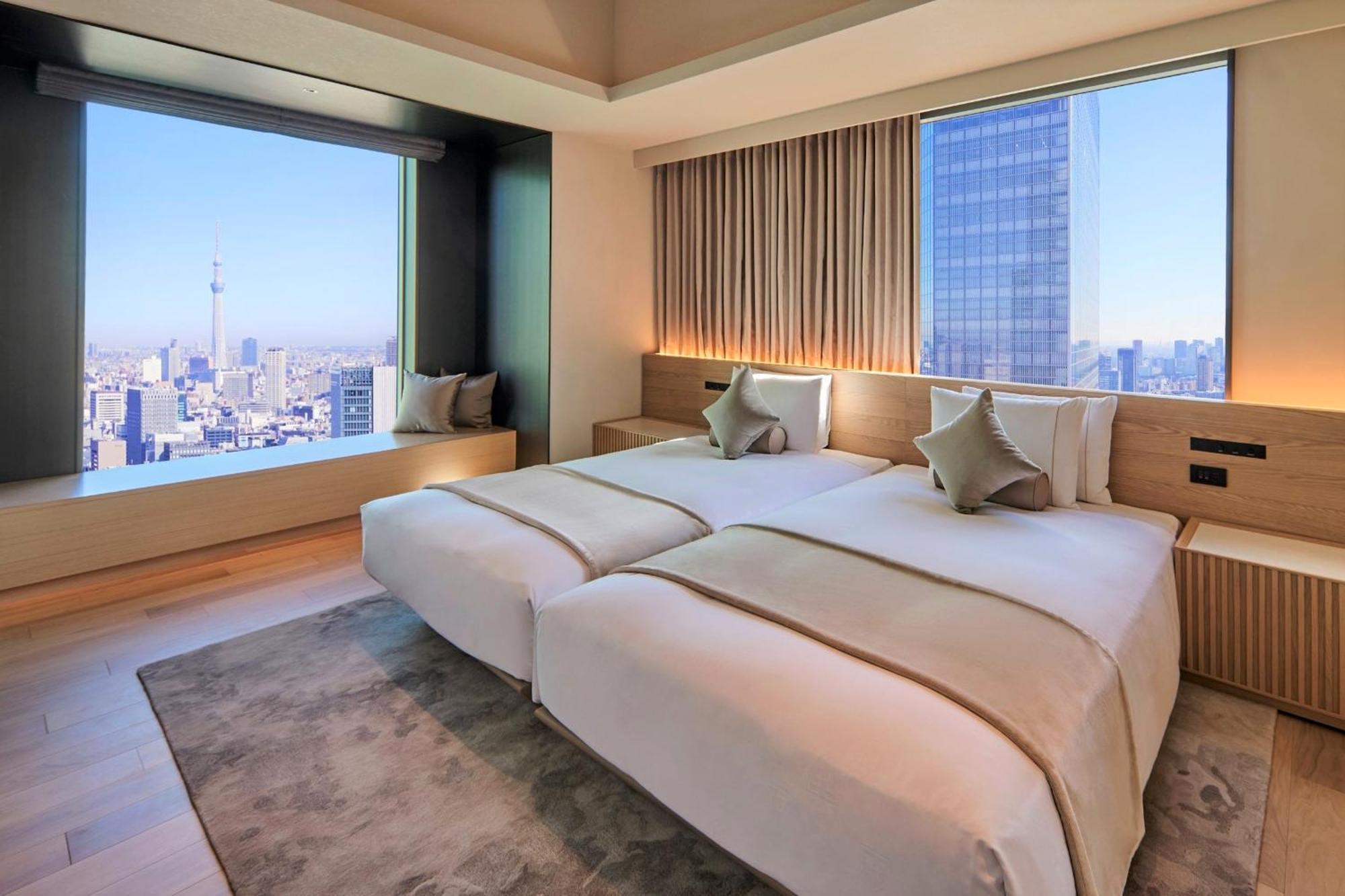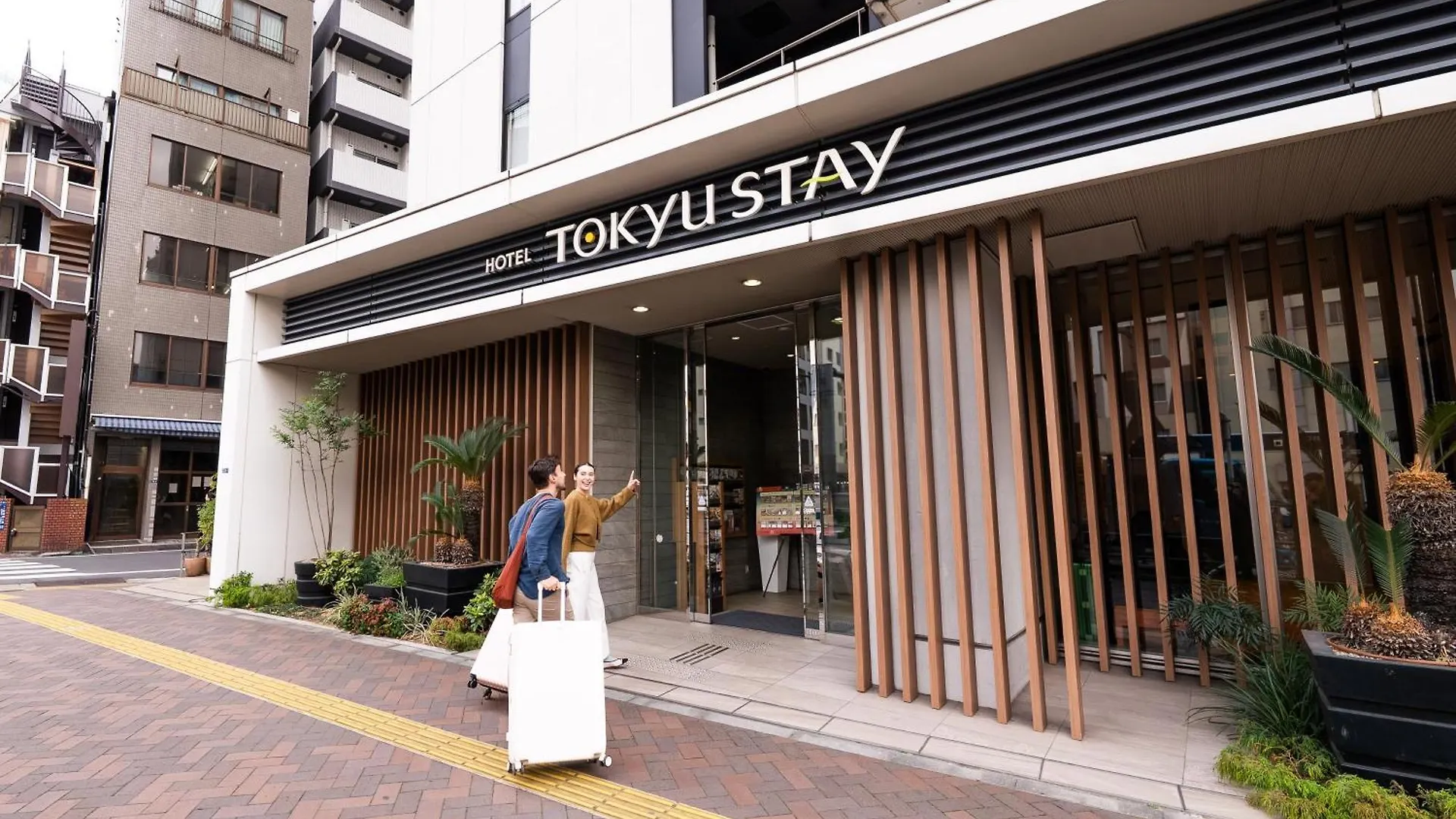
Tokyu Stay is a Tokyo-born hotel brand built around one defining feature: every room includes a washer-dryer and kitchenette, removing two of the biggest friction points for anyone spending more than a few nights in the city. With three Central Tokyo properties - in Shimbashi-Ginza, Yotsuya, and Takanawa-Shinagawa - the brand covers distinct pockets of the city, each with a different transport profile and neighborhood rhythm. This guide breaks down what each location actually delivers, so you can match the right property to how you plan to move around Tokyo.
What It's Like Staying In Central Tokyo
Central Tokyo is not one neighborhood - it's a corridor of interconnected districts where the Yamanote Line, Tokyo Metro, and JR lines overlap densely enough that most major attractions sit within around 20 minutes by train from wherever you're based. The trade-off is density: pedestrian traffic on major routes like Ginza-dori or around Shimbashi Station is heavy from morning through late evening, and noise from street-level rooms can be noticeable in older buildings. Staying here means less time in transit and more time deciding between competing options, but it also means accepting that space and quiet are at a premium compared to outer districts like Nakameguro or Koenji.
Pros:
- * Multiple train lines within walking distance, including JR, Tokyo Metro, and Keikyu, reduce transfer times significantly across the city
- * Late-night convenience stores, pharmacies, and restaurants are accessible around the clock in all three sub-areas covered here
- * Positioned between major business hubs (Shinagawa, Marunouchi) and cultural anchors (Ginza, Shinjuku), cutting cross-city travel in half
Cons:
- * Street-facing rooms in high-density blocks near station exits catch traffic and train noise, especially below the 5th floor
- * Hotel rates in central areas spike around 50% during cherry blossom season (late March-early April) and Golden Week
- * Grocery options near station-adjacent hotels skew toward convenience stores rather than full supermarkets, which matters for longer stays with in-room cooking
Why Choose Tokyu Stay Hotels In Central Tokyo
Tokyu Stay sits in a functional mid-range bracket that standard business hotels in the same districts don't replicate: every room ships with an in-room washer-dryer, microwave, and refrigerator, which means guests staying 4 or more nights can travel with a smaller bag and skip laundry services that typically cost ¥1,000-¥2,000 per load at competitor hotels. Room sizes run compact by Western standards - most double rooms fall in the 18-22 sqm range - but the kitchenette setup recovers usable floor space that other brands waste on unused minibars. The trade-off against higher-tier business hotels in the same corridors (think ANA InterContinental or Conrad in Shimbashi/Shiodome) is clear: Tokyu Stay gives up lobby prestige and room size but returns it in self-sufficiency and station proximity.
Pros:
- * In-room washer-dryer in every room type removes the need to budget for hotel laundry or seek out coin laundromats
- * Kitchenette with microwave, fridge, and electric kettle enables self-catering, cutting daily food costs noticeably for longer visits
- * All three Central Tokyo properties sit within a 5-minute walk of their respective train stations, a consistency rare across a single brand
Cons:
- * Room sizes are compact; guests needing a workspace beyond a single desk will feel constrained, particularly in economy and cozy room categories
- * On-site dining is limited - one restaurant per property - so guests relying on hotel dining variety need to look outside
- * No swimming pool, spa, or fitness center across any of the three Central Tokyo Tokyu Stay properties
Practical Booking & Area Strategy
The three Tokyu Stay properties in Central Tokyo anchor to three meaningfully different micro-locations. The Shimbashi property sits on Karasumori-cho, a short block from JR Shimbashi Station's Ginza exit, which puts Ginza's main shopping corridor - Chuo-dori - within a 10-minute walk and Tokyo Station within a 9-minute walk or one direct train stop. Tsukiji Outer Market is reachable in around 10 minutes by taxi or metro. The Yotsuya property is positioned off Yotsuya 4-chome, near the Shinjuku National Garden entrance and Suga Shrine - a quieter pocket that trades foot traffic for a residential atmosphere, with Shinjuku reachable in 5 minutes by train on the Chuo Line. The Takanawa-Shinagawa property is closest to Sengakuji Station on the Keikyu Line, making it the natural pick if your itinerary leans south toward Odaiba, Yokohama, or Haneda Airport, and JR Shinagawa Station - a Shinkansen access point - is one stop away. For Cherry Blossom and Golden Week travel, book at least 8 weeks out; these properties do not hold rooms for walk-ins during peak windows.
Best Value Stays
These two properties offer strong station proximity and the full Tokyu Stay self-catering setup at accessible price points, with distinct location profiles that suit different itinerary shapes.
-
1. Tokyu Stay Shimbashi - Ginza Area
Show on map


 Check-infrom 15:00 until 23:59Check-outuntil 11:00
Just a few rooms left at the best rate!
fromJP¥ 23233
-
2. Tokyu Stay Yotsuya - Shinjuku Area
Show on map


 Check-infrom 15:00 until 23:59Check-outuntil 11:00
Hurry – almost gone at this price!
fromJP¥ 23560
Best Premium Stay
Positioned in the Takanawa-Shinagawa corridor, this property suits guests whose itinerary extends beyond central sightseeing into south Tokyo, Yokohama, or Haneda - while still keeping Central Tokyo within easy reach.
-
3. Tokyu Stay Takanawa Shinagawa Area
Show on map


 Check-infrom 15:00 until 23:59Check-outuntil 11:00
Rooms filling fast – secure the best rate!
fromJP¥ 13743
Smart Travel & Timing Advice
Tokyo's hotel calendar has two hard peaks: cherry blossom season (late March through early April) and Golden Week (late April through early May), during which Central Tokyo hotel rates climb around 50% above baseline and availability at well-located mid-range properties like these Tokyu Stay hotels disappears well in advance. Book at least 8 weeks out for spring travel; last-minute bookings during these windows almost always result in higher rates or shifts to less convenient locations. The quietest and most affordable windows are mid-January through early March (cold but crowd-light, with low rates) and early to mid-November (autumn foliage in Shinjuku National Garden and Showa Kinen Park, without Golden Week pricing). A stay of 4 nights or more extracts the most value from Tokyu Stay's in-room washer-dryer and kitchenette setup - guests on shorter trips may find that the self-catering infrastructure goes unused. Summer visits (July-August) are feasible but humid; Shimbashi and Shinagawa benefit from underground station connections that limit outdoor exposure during the heat. For any stay longer than a week, Yotsuya's Residential Double and Family Room configurations with full kitchenware make the most practical base in this brand portfolio.