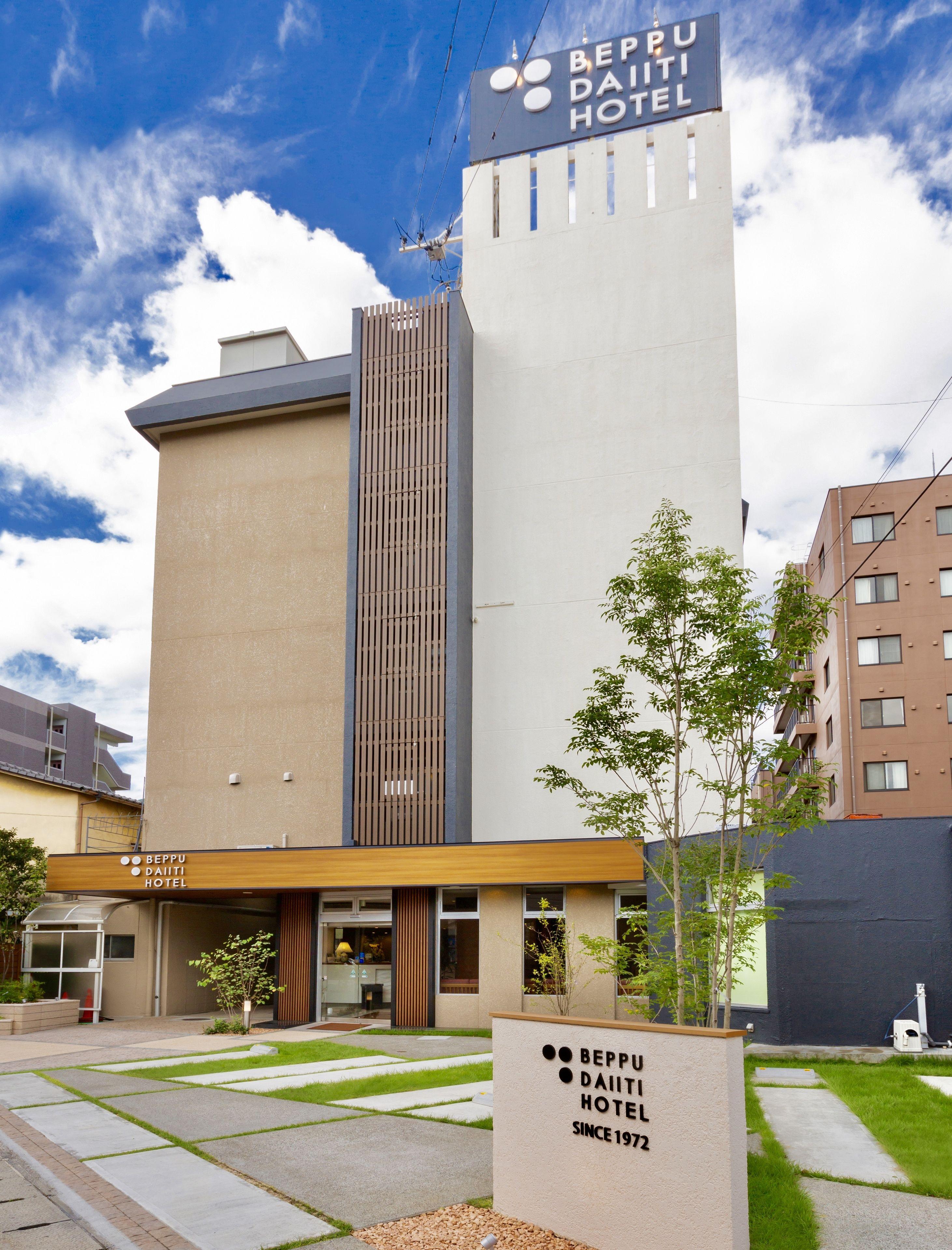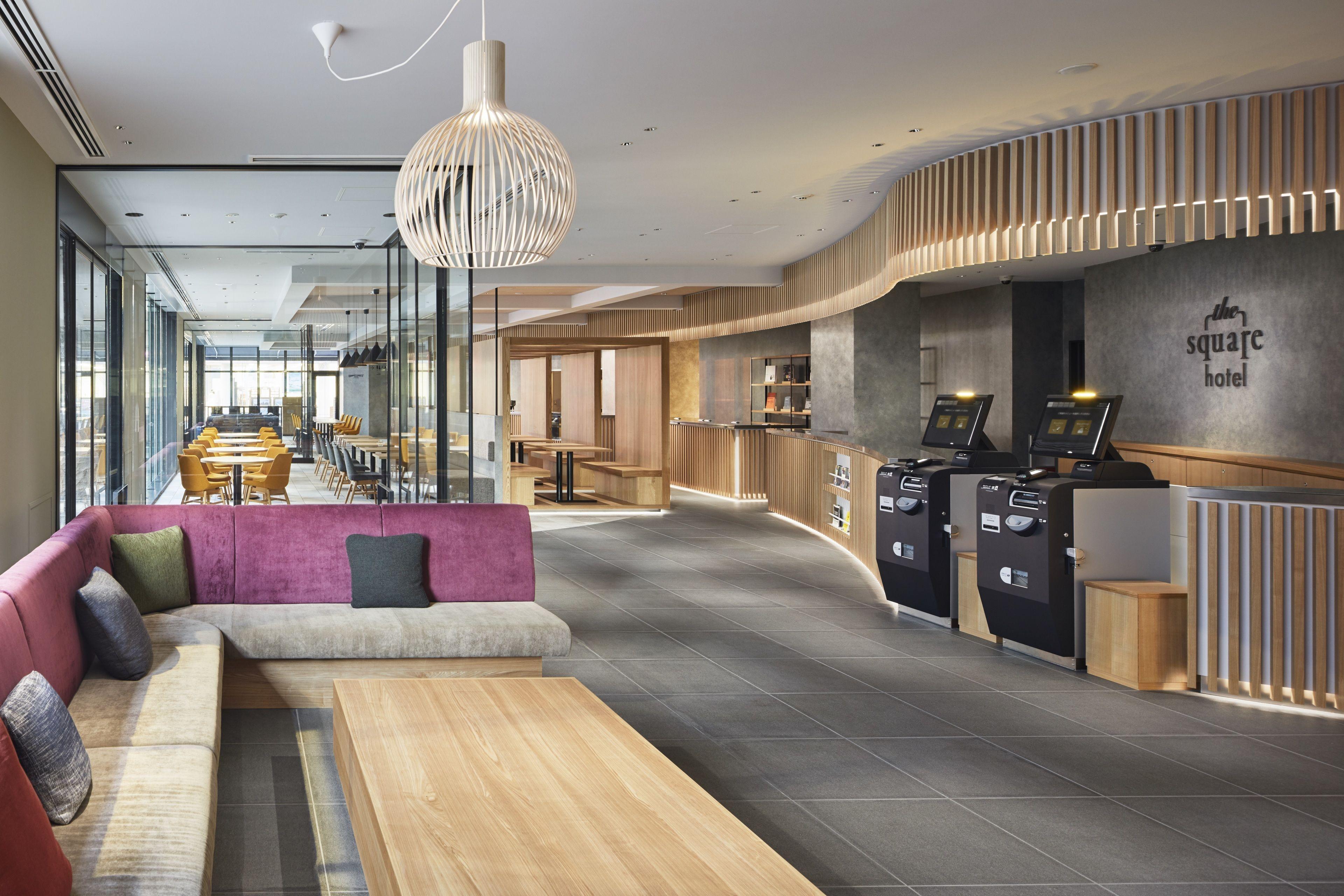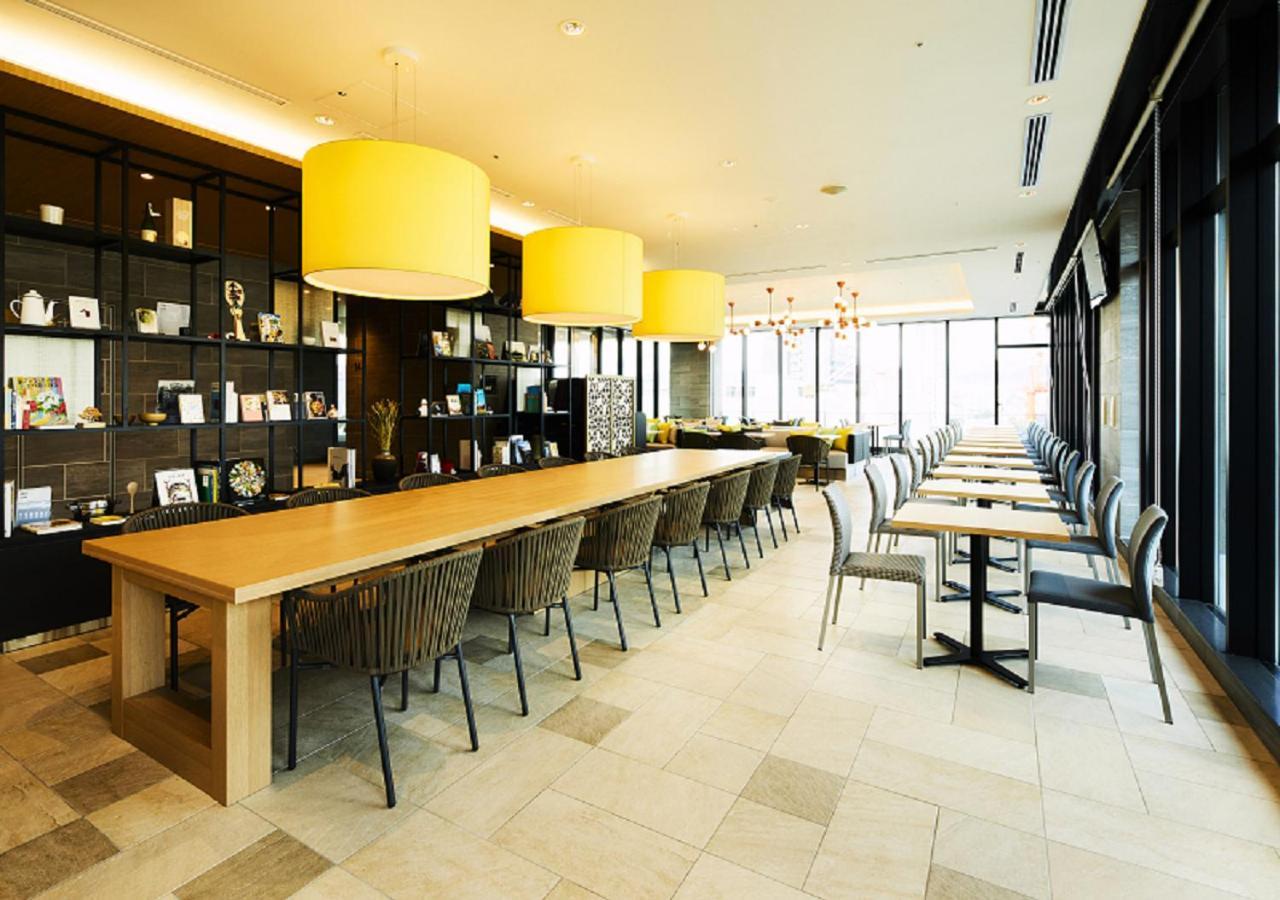
Kyoto City Centre - anchored around the Nakagyo Ward corridor between Nijo Castle and Gion Shijo Station - puts you within walking reach of some of Japan's most visited cultural landmarks without committing to a single tourist pocket. The hotels listed here sit within 1.3 km of the city centre, making them genuinely central rather than just close enough to claim it.
What It's Like Staying in Kyoto City Centre
Staying in Kyoto City Centre means operating from the Nakagyo Ward spine - the dense urban corridor running east from Nijo Castle toward the Kamo River and Gion. Most attractions sit within a 20-minute walk, and the city's bus network connects you to outlying temples in under 30 minutes from stops on Karasuma or Shijo-dori. Foot traffic peaks sharply during cherry blossom season in late March and during autumn foliage in November, when streets near Gion fill by 9 AM.
Pros:
- Subway and bus access is immediate - Karasuma Line stations are walkable from most central properties
- Nijo Castle, Kyoto International Manga Museum, and Gion Shijo are all reachable on foot from this zone
- Central positioning cuts down on daily transport costs compared to staying in Arashiyama or Fushimi
Cons:
- Accommodation prices run higher than in Kyoto Station's southern district, often by around 25%
- Narrow machiya-lined streets around Sanjo and Rokkaku get congested during peak season
- Nighttime noise near Shijo-dori and Kawaramachi can affect lighter sleepers in street-facing rooms
Why Choose Central Hotels in Kyoto City Centre
Central hotels in Kyoto City Centre are not a single category - they span business-style accommodation, design-forward 4-star properties, and full luxury experiences, all within a compact urban footprint between Nijo Castle and Gion. Room sizes tend to be smaller than in suburban Kyoto, with standard doubles averaging around 22 square metres, but the trade-off is access: you are positioned between the city's commercial, cultural, and culinary core. Unlike hotels clustered near Kyoto Station, central properties here sit above the main transport hubs rather than beside them, reducing transit noise while keeping connectivity intact.
Pros:
- Walkable to Kyoto's highest-density restaurant and izakaya zones along Pontocho and Nishiki Market
- Properties in this corridor tend to carry 4-star or above ratings, filtering for quality without requiring a full luxury budget
- Central location means no mandatory taxi or bus to reach evening dining or early-morning temple visits
Cons:
- Limited availability during sakura and koyo seasons - most central hotels sell out 8 weeks in advance
- Rooms are typically compact; guests expecting European-scale square footage will need to adjust expectations
- Parking is scarce and expensive near Sanjo and Shijo - not suitable for guests arriving by car
Practical Booking & Area Strategy
The strongest micro-locations within Kyoto City Centre sit along the Sanjo-dori and Rokkaku-dori corridors, roughly between Karasuma-dori to the west and the Kamo River to the east. Properties within 500 metres of Karasuma Oike Station give you simultaneous access to the Karasuma subway line (running south to Kyoto Station and north to Kitaoji) and the Tozai Line (running east to Higashiyama and west toward Uzumasa). Gion Shijo Station on the Keihan Line is reachable on foot from most central properties, opening rapid access to Fushimi Inari and Uji without needing a transfer. For sightseeing logistics, the Nishiki Market food lane, Pontocho dining alley, and the covered Teramachi shopping arcade are all within a 10-minute walk of this corridor, making it the most self-contained zone in the city for guests who prefer to explore on foot. Book at least 6 weeks ahead for any stay between late March and early May or October through mid-November - central inventory moves faster than any other district in Kyoto during these windows.
Best Value Stays
These properties offer strong central positioning and solid amenity sets at a more accessible price point, making them practical anchors for exploring Kyoto City Centre without overpaying for the address.
-
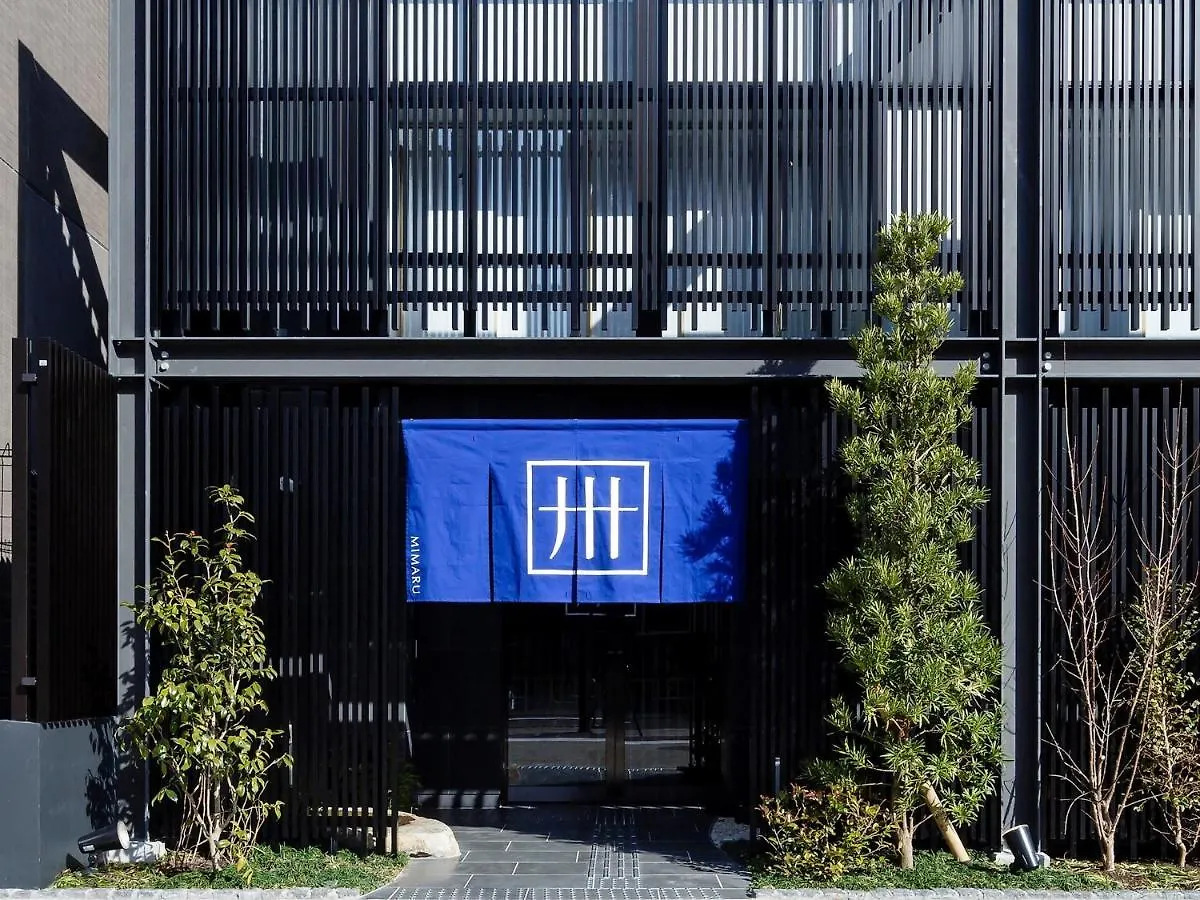
1. Mimaru Kyoto Nijo Castle
Show on map


 Check-infrom 15:00 until 22:00Check-outfrom 07:00 until 11:00
Just a few rooms left at the best rate!
fromJP¥ 32990
-
2. Nol Kyoto Sanjo
Show on map


 Check-infrom 15:00 until 23:59Check-outfrom 01:00 until 12:00
Just a few rooms left at the best rate!
fromJP¥ 29887
Best Premium Stays
These two properties operate at the upper tier of central Kyoto accommodation, each with distinct positioning - one built around wellness and rooftop dining, the other around haute cuisine and in-room hot tub luxury.
-
3. Sora Niwa Terrace Kyoto
Show on map


 Check-infrom 15:00 until 23:59Check-outfrom 01:00 until 11:00
Hurry – almost gone at this price!
fromJP¥ 28417
-
4. The Hiramatsu Kyoto
Show on map


 Check-infrom 15:00 until 19:00Check-outuntil 11:00
Rooms filling fast – secure the best rate!
fromJP¥ 76923
Smart Travel & Timing Advice for Kyoto City Centre
Kyoto's central hotels operate on a demand calendar that is more compressed than most Japanese cities. Cherry blossom season - typically the last week of March through the first week of April - drives the single highest occupancy spike of the year, with central properties filling completely and prices running around 40% above standard rates. Autumn foliage season from late October through mid-November follows closely behind in both occupancy and pricing pressure. Outside these two windows, summer (July-August) brings heat and humidity but fewer foreign tourists, making it a viable window for last-minute bookings at lower rates - though temperatures regularly exceed 35°C, which affects how much ground you can cover on foot. The quietest and most price-accessible windows are February and early December, when most temples remain open but crowds thin considerably. A minimum of 3 nights is recommended to cover the core city sightseeing circuit - Nijo Castle, Gion, Nishiki Market, Pontocho, and a day trip to Fushimi Inari - without feeling rushed. For sakura or koyo travel, booking 8 weeks ahead is not conservative; it is the realistic minimum for securing central inventory at standard rates.