Takayama City sits in the mountains of Gifu Prefecture, and choosing the right 4-star hotel here means navigating a mix of traditional ryokan-style properties and modern hotel formats - all within close reach of one of Japan's best-preserved Edo-period townscapes. This guide breaks down what staying in Takayama City actually looks like, what the 4-star category delivers here specifically, and which four properties are worth your booking budget.
What It's Like Staying in Takayama City
Takayama City is compact and walkable by Japanese standards, but it operates on a different rhythm than urban hubs like Kyoto or Tokyo. Most of the historic Sanmachi Suji district is reachable on foot in under 15 minutes from Takayama Station, which acts as the de facto anchor for hotels in the area. The Miyagawa Morning Market and Jinya-mae Morning Market run until around 12:00, so your accommodation's proximity to the station and the old town directly affects how easily you can join the early crowd before tour buses arrive.
Takayama draws heavy visitor traffic during the spring Sanno Festival (April) and autumn Hachiman Festival (October), when accommodation fills weeks in advance. Outside those windows, the city remains quieter than most heritage destinations in Japan, making it a genuine off-peak opportunity. Travelers who prefer rural mountain atmosphere over urban convenience will find this location well-suited; those needing late-night dining options or nightlife will find Takayama limited after 21:00.
Pros:
- Walking access to Sanmachi Suji, morning markets, and Kokubunji Temple without needing transport
- Takayama Station serves as the JR Hida limited express hub, connecting directly to Nagoya in around 2.5 hours
- Shirakawa-go UNESCO World Heritage Site is accessible in under an hour by Nohi Bus from the bus terminal adjacent to the station
Cons:
- Limited dining and convenience options after 21:00; the city closes early compared to larger Japanese cities
- No subway or metro system - all local movement is on foot, by bicycle, or taxi
- Festival periods require booking well in advance; last-minute availability essentially disappears
Why Choose a 4-Star Hotel in Takayama City
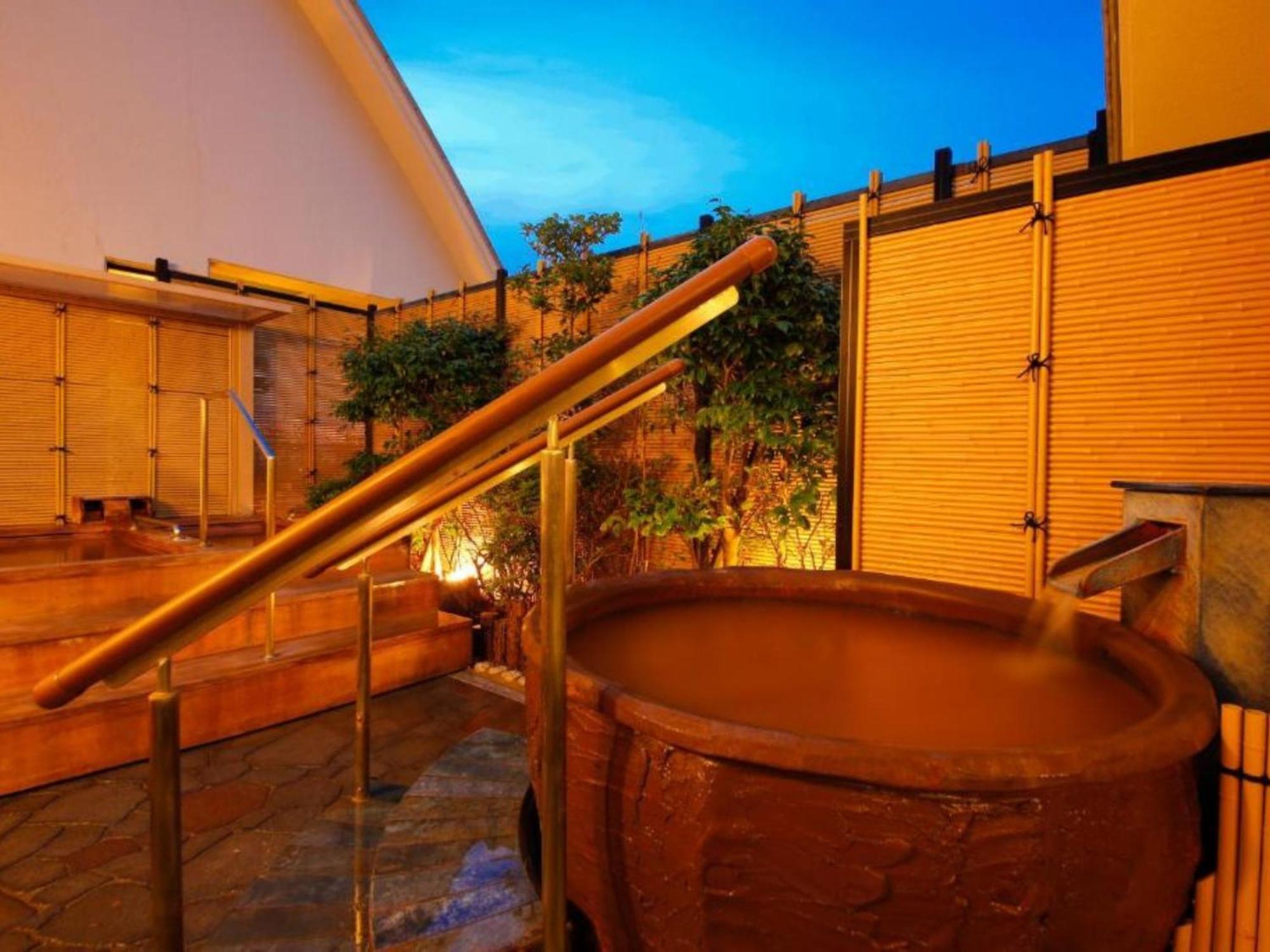
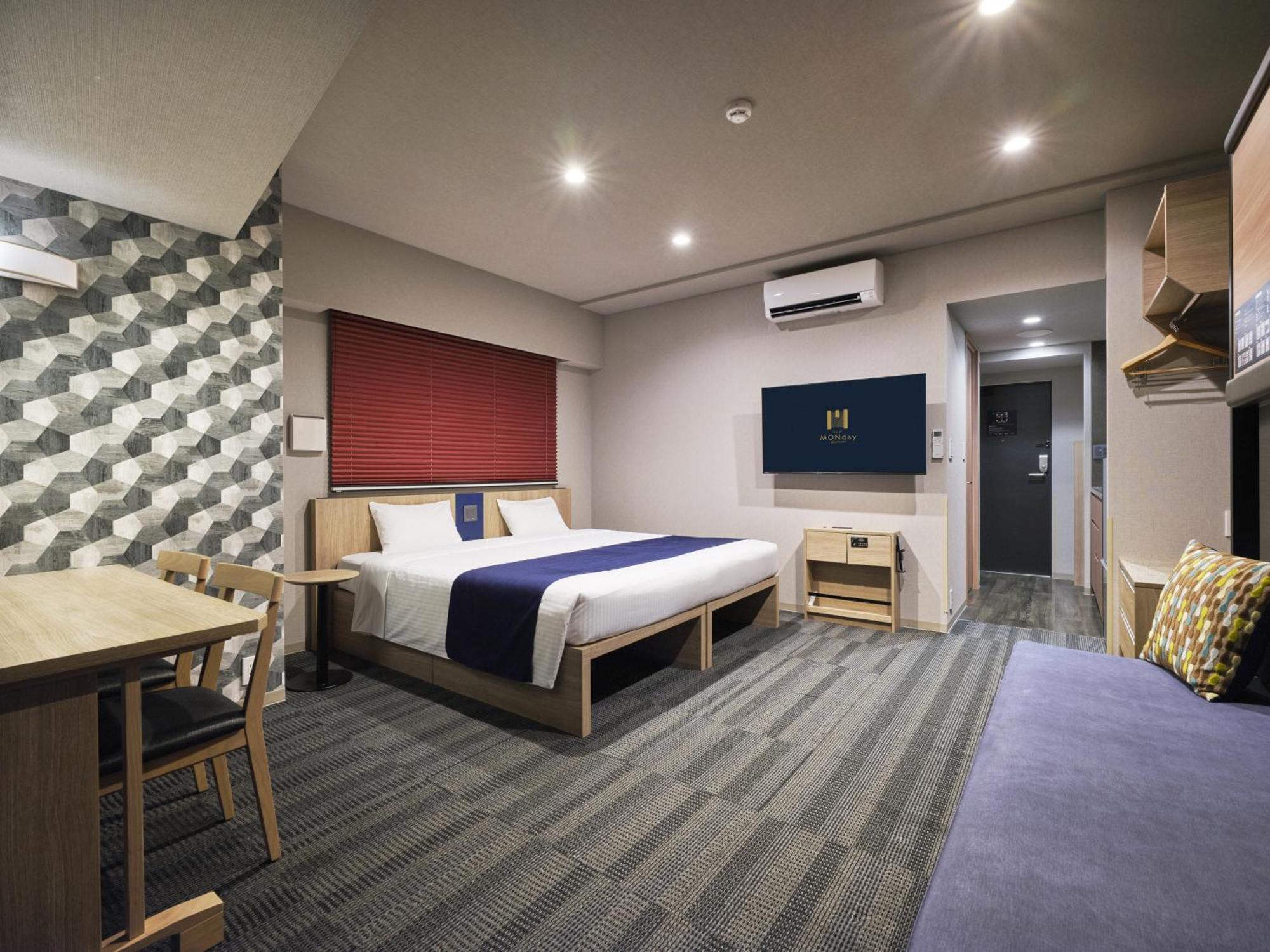
The 4-star category in Takayama City bridges the gap between budget guesthouses and full-luxury ryokan, but what makes it distinct here is the inclusion of hot-spring bath access and kaiseki dining options at properties that also offer modern room infrastructure - a combination rarely available at this price tier in larger Japanese cities. Room sizes at 4-star ryokan-style properties in Takayama typically include tatami areas that make them physically larger than equivalent-rated Western-style hotel rooms, which adds tangible value for couples or solo travelers planning multi-night stays.
The price positioning of 4-star hotels in Takayama City reflects the mountain destination premium - rates run higher than comparable provincial cities in Japan - but the category captures genuine amenity depth, including onsen access, yukata robes, and often breakfast. Properties at this level also tend to sit within around 200 metres of Takayama Station, meaning transport logistics for day trips to Shirakawa-go or Hida Folk Village are straightforward without requiring a taxi.
Pros:
- Hot-spring bath access is common at this tier in Takayama, with private and semi-private options available depending on property
- Station-adjacent positioning means Nohi Bus departures for Shirakawa-go and JR connections are within easy walking distance
- Breakfast quality at Takayama's 4-star ryokan properties frequently includes regional Hida ingredients, adding genuine cultural value
Cons:
- Festival season demand pushes 4-star rates significantly higher; booking within 4 weeks of peak dates is costly
- Some properties combine Western room formats with traditional elements unevenly - room type selection at booking matters
- Fitness and business facilities are limited or absent at ryokan-format properties in this category
Practical Booking & Area Strategy for Takayama City
The highest-value positioning for 4-star hotels in Takayama City is within the corridor between Takayama Station and Kokubunji Temple - a stretch that keeps you inside walking distance of both transport connections and the historic core. Properties along or just off Hirokoji-dori and the streets running east toward the Sanmachi Suji canal area offer the strongest balance of access and atmosphere, without placing you in the middle of afternoon tourist traffic. The Miyagawa River walking path is also accessible from this zone without needing transport.
For day-trip logistics, the Nohi Bus Center sits directly adjacent to Takayama Station, making early departures to Shirakawa-go (first buses from around 08:00) easy to catch on foot from any centrally located property. Book at least 6 weeks ahead for spring and autumn festival dates - Sanno Festival in mid-April and Hachiman Festival in early October are the two critical windows. Outside those periods, the city moves at a relaxed pace, morning markets operate daily, and the Hida Folk Village (around 2 km from the station) is reachable by a short taxi or rental bicycle ride.
Best Value Stays in Takayama City
These properties deliver strong amenity depth - including onsen access, Japanese breakfast, and station proximity - at rates that represent the most accessible entry point into Takayama's 4-star tier.
-
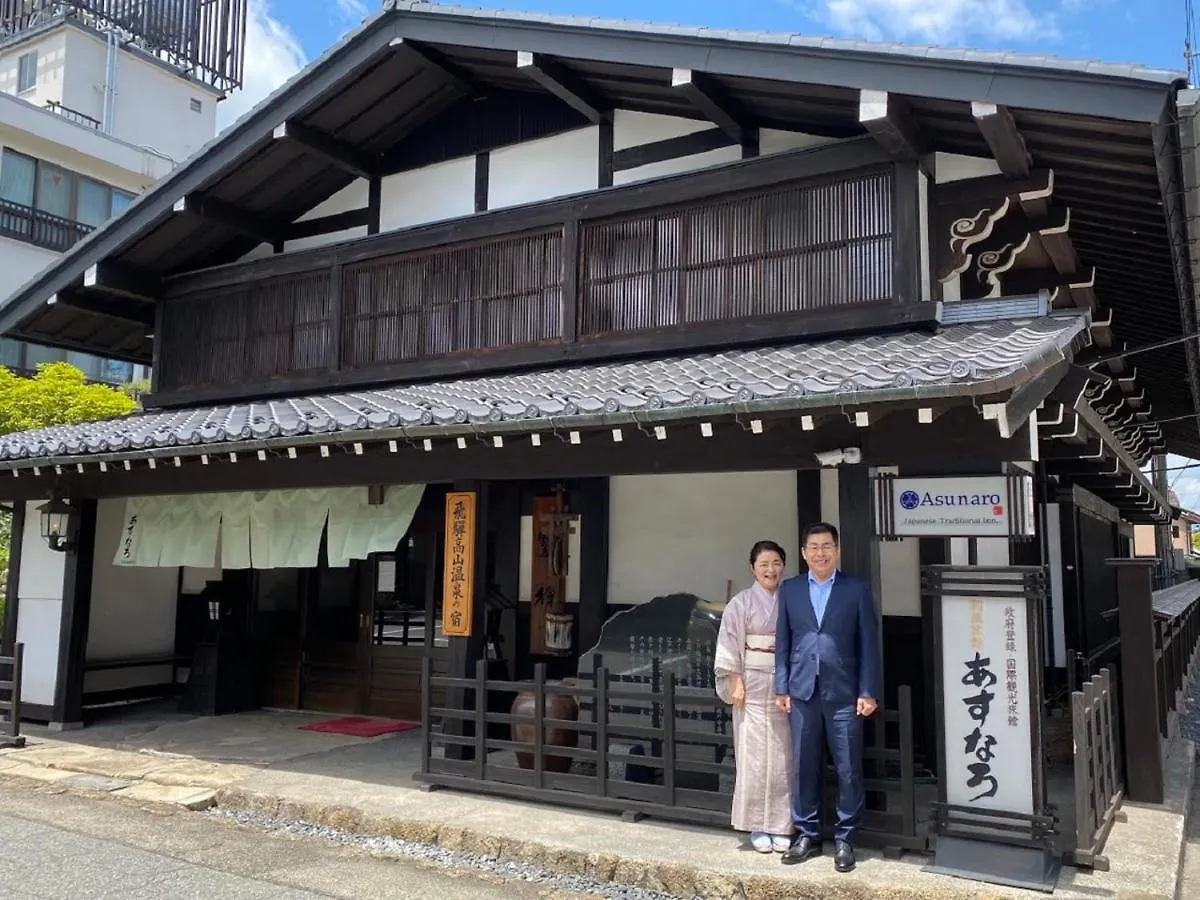
1. Ryokan Asunaro
Show on map


 Check-infrom 14:00 until 19:00Check-outfrom 06:00 until 10:00
Just a few rooms left at the best rate!
fromJP¥ 34358
-
2. Residence Hotel Takayama Station
Show on map


 Check-infrom 15:00 until 23:00Check-outuntil 11:00
Just a few rooms left at the best rate!
fromJP¥ 32309
Best Premium Stays in Takayama City
These two properties combine station-proximity positioning with elevated onsen facilities, Michelin recognition, and restaurant-quality breakfast - representing the upper tier of the 4-star category in Takayama City.
-
3. Oyado Koto No Yume
Show on map


 Check-infrom 15:00 until 19:00Check-outfrom 07:00 until 10:00
Hurry – almost gone at this price!
fromJP¥ 36249
-
4. Eph Takayama
Show on map


 Check-infrom 15:00 until 20:00Check-outfrom 06:00 until 11:00
Rooms filling fast – secure the best rate!
fromJP¥ 18125
Smart Timing & Booking Advice for Takayama City
Takayama City has two hard peaks that dominate the 4-star hotel calendar: the Sanno Festival (April 14-15) and the Hachiman Festival (October 9-10), during which the floats of the Takayama Matsuri - one of Japan's three great festivals - draw large crowds. Availability at all four properties listed here effectively disappears within 8 weeks of these dates, and rates during festival windows run noticeably above standard shoulder-season pricing. Late November through early March represents the quietest and most affordable window, with mountain snowfall adding a different aesthetic to the Sanmachi Suji area, though some seasonal services like bicycle rentals are suspended.
Spring cherry blossom season (late March to mid-April) and autumn foliage (mid-October to mid-November) are secondary peaks that still generate strong demand without the festival spike. A minimum of two nights makes practical sense in Takayama City - one day for the historic district and morning markets, one day for a Shirakawa-go day trip - with a third night adding time for Hida Folk Village and the Higashiyama temple walking trail. For the ryokan-format properties, booking kaiseki dinners at the time of reservation rather than on arrival avoids the most common logistical friction.