Shiba is a low-key residential district in Minato Ward that sits directly in the shadow of Tokyo Tower - literally. Unlike nearby Shiodome or Roppongi, this neighbourhood doesn't run on tourist foot traffic, which means quieter streets, more authentic local dining, and hotel rates that don't carry a landmark premium. For travellers comparing 4-star options in central Tokyo, Shiba earns a second look precisely because of what it lacks: the noise, the crowds, and the inflated pricing of more commercialised districts.
What It's Like Staying in Shiba
Shiba occupies a quiet stretch of Minato Ward between Hamamatsucho and Mita, where temple grounds and office towers share the same city block. Tokyo Tower is under 1 km away from the core of the district - walkable in around 12 minutes on flat ground, no hills involved. The area operates on a business-district rhythm during the week, with minimal pedestrian congestion in the evenings compared to Shibuya or Shinjuku.
Transport access is genuinely strong. Daimon Station (Toei Asakusa and Oedo lines) and Hamamatsucho Station (JR Yamanote Line and Tokyo Monorail) sit within walking distance, giving access to Haneda Airport, Asakusa, and Shiodome without any complex transfers. Weekends are noticeably calmer, with local families and park visitors replacing the weekday commuter crowd.
Pros:
- * Direct walking access to Tokyo Tower and Zojoji Temple without navigating tourist-heavy streets
- * Two separate rail hubs (Daimon and Hamamatsucho) covering JR, subway, and monorail lines
- * Quieter nighttime atmosphere than Roppongi or Shibuya - suitable for early departures or business schedules
Cons:
- * Limited evening dining variety within Shiba itself - most options cluster around Hamamatsucho station
- * Not the right base if nightlife or dense restaurant streets are a priority
- * Weekend transport frequency on some Toei lines drops compared to JR routes
Why Choose a 4-Star Hotel in Shiba
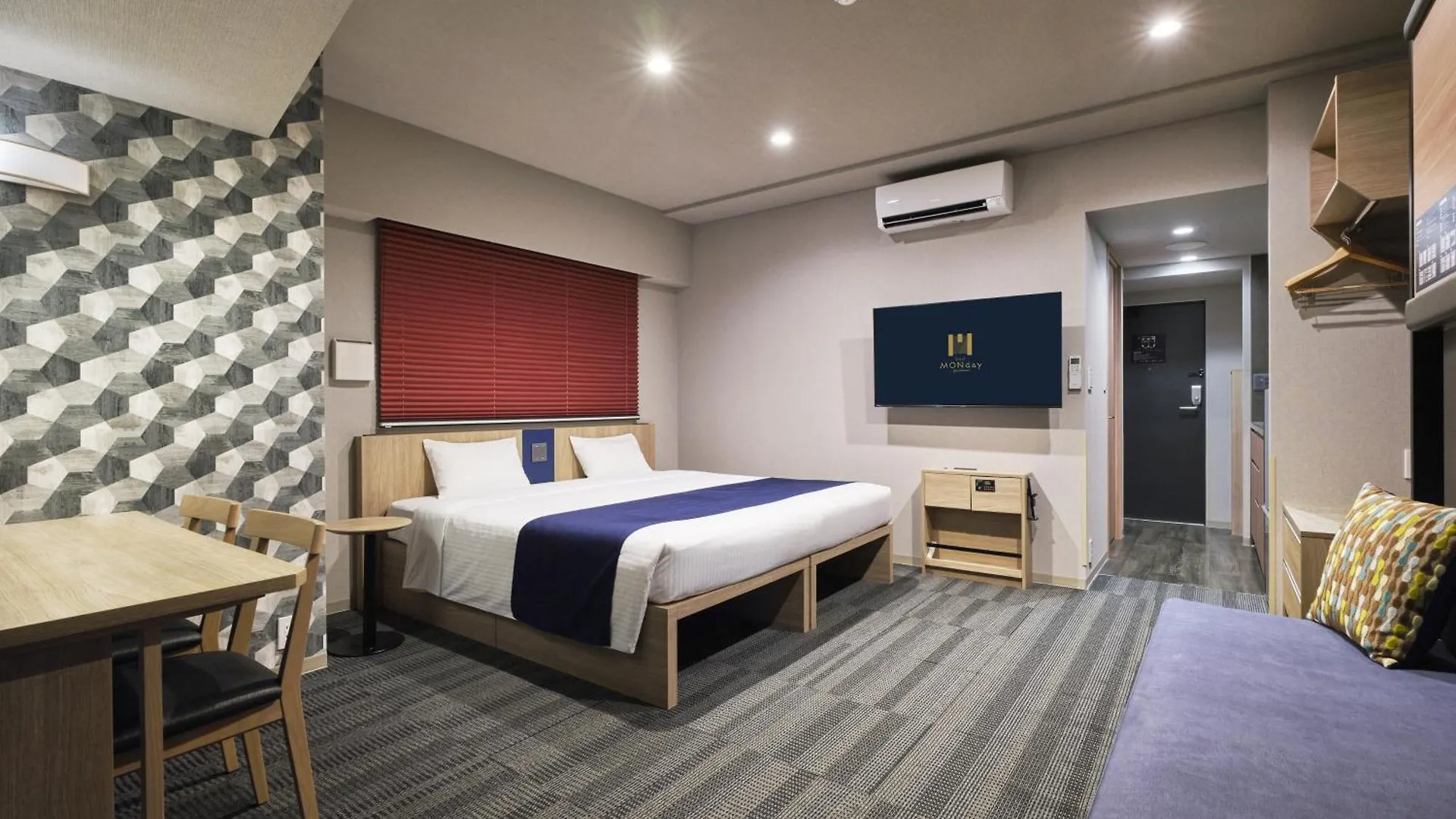
4-star properties in Shiba typically position between budget business hotels and high-end luxury towers, offering a meaningful step up in room size, in-unit amenities, and service consistency without the pricing of Marunouchi or Roppongi equivalents. In this district, the 4-star category leans toward aparthotel formats - units with full kitchens, washing machines, and dedicated living areas that make extended stays practical rather than just comfortable.
Room sizes at 4-star level in Shiba tend to run larger than the Tokyo average for the same price point, partly because the area doesn't command the same per-square-metre premium as Ginza or Shibuya. Guests staying around 5 nights benefit most from the kitchen and laundry facilities, effectively reducing daily costs on food and dry cleaning. The trade-off is reduced hotel dining options on-site compared to a full-service 4-star in a more central district.
Pros:
- * Full kitchen and in-unit laundry in most 4-star aparthotel formats - practical for multi-night stays
- * Larger room footprint than equivalent-priced 4-star hotels in Ginza or Marunouchi
- * 24-hour front desk and security without the full-hotel overhead cost passed to the guest
Cons:
- * On-site restaurant or bar unlikely in the aparthotel format - no room service equivalent
- * Fewer concierge-level services compared to full-service 4-star hotels in Marunouchi or Akasaka
- * Parking availability is limited and should be confirmed in advance
Practical Booking & Area Strategy
Within Shiba, the most strategically positioned addresses sit between Daimon Station and the Hamamatsucho rail corridor - this corridor gives access to the Toei Asakusa Line (direct to Asakusa and Oshiage), the Oedo Line (connecting Shiodome, Roppongi, and Shinjuku), and the JR Yamanote Line at Hamamatsucho. Tokyo Haneda Airport is around 13 km away, reachable via the Tokyo Monorail from Hamamatsucho in under 25 minutes - a genuine advantage for early-morning or late-night flights.
Shiba Park (Shiba-koen) itself is one of Japan's oldest public parks, established in 1873, and sits directly alongside Zojoji Temple - both are walkable without exiting the neighbourhood. Atago Shrine, a short distance north, adds a quiet detour worth factoring into a half-day around the area. Book at least 6 weeks ahead for late March to early April cherry blossom season, when Shiba-koen becomes a draw for hanami visitors and room availability across Minato Ward tightens sharply. Autumn foliage in November offers a quieter, similarly photogenic window with more flexible last-minute availability.
Recommended 4-Star Hotel
Only one 4-star property is available in Shiba matching the full aparthotel specification - reviewed below with full facility detail.
-
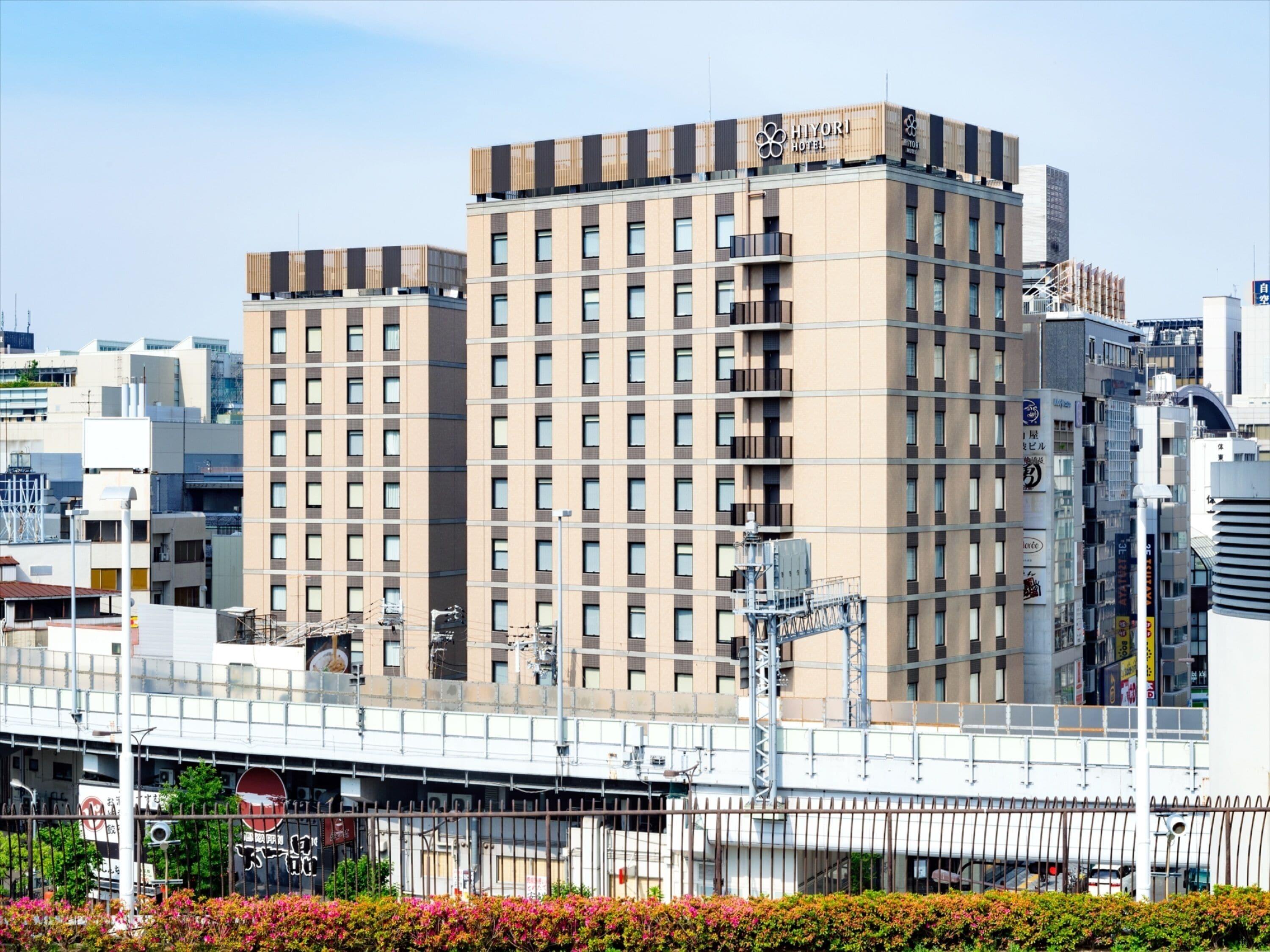
1. Monday Apart Hamamatsucho Daimon
Show on map


 Check-infrom 15:00 until 23:59Check-outuntil 10:00
Just a few rooms left at the best rate!
fromJP¥ 46020
Smart Travel & Timing Advice for Shiba
Shiba follows Tokyo's broader seasonal pattern, but its specific draw - Shiba-koen and Zojoji Temple - makes late March to early April the single most competitive booking window. Cherry blossom crowds at Shiba-koen peak in the last week of March, pulling visitors from across the city, and hotel availability across Minato Ward can drop to under 20% within that 10-day window. Booking accommodation around this period more than 6 weeks out is not optional - it's the difference between securing a unit with a kitchen (which saves meaningful daily spend) versus accepting whatever remains.
November is the alternative sweet spot: autumn foliage around Zojoji Temple and Shiba-koen is visually comparable to spring, crowds are thinner, and last-minute availability is generally more flexible. July and August bring high humidity and peak domestic travel, pushing occupancy up in the Hamamatsucho corridor without the scenic payoff of spring or autumn. For stays of 3 nights or fewer, Shiba's aparthotel format offers less advantage - the kitchen and laundry facilities earn their value over longer stays. A minimum stay of 4 nights is where the in-unit self-catering setup starts to offset the slightly lower density of on-site hotel dining options compared to full-service 4-star properties elsewhere in central Tokyo.