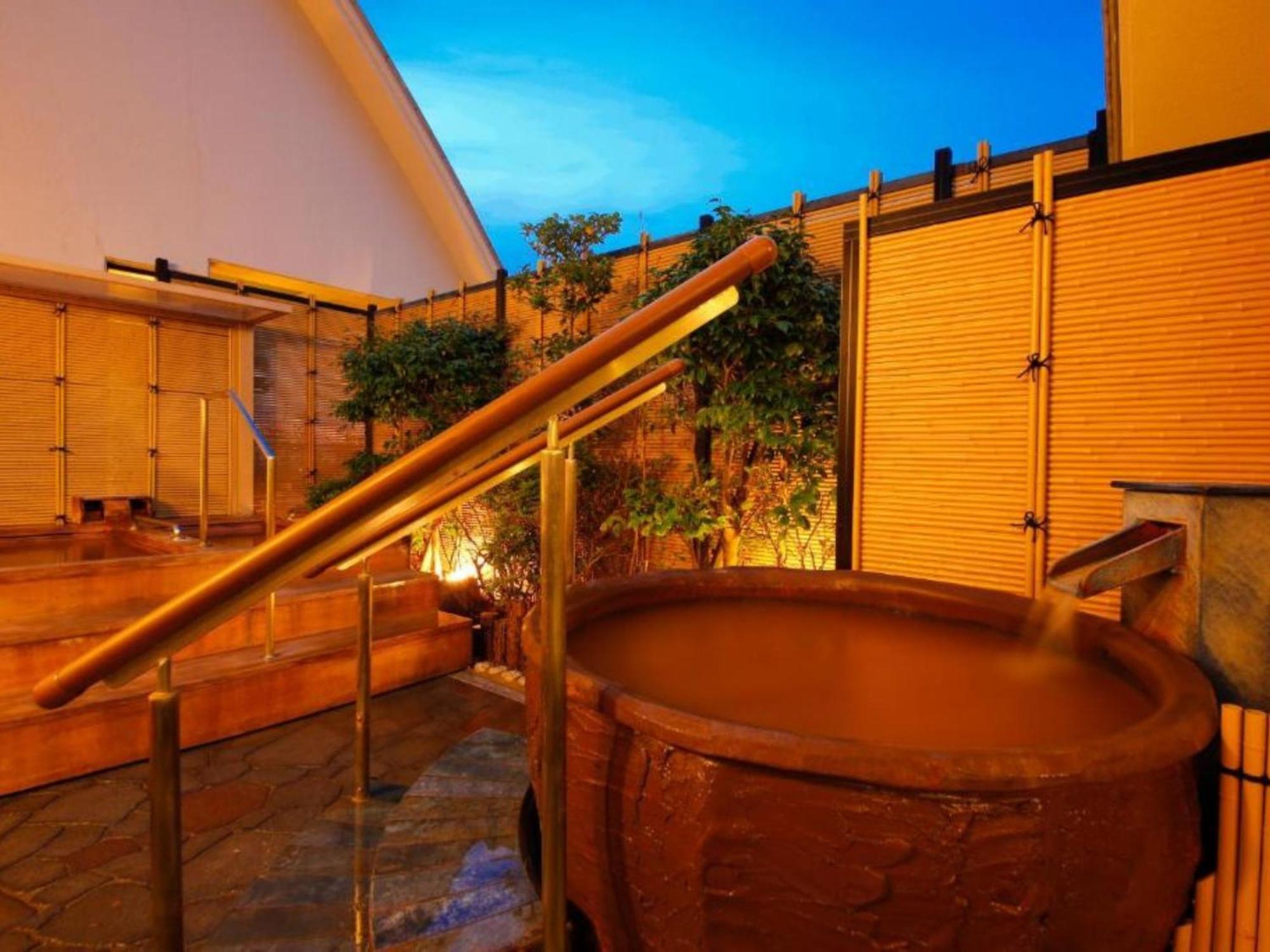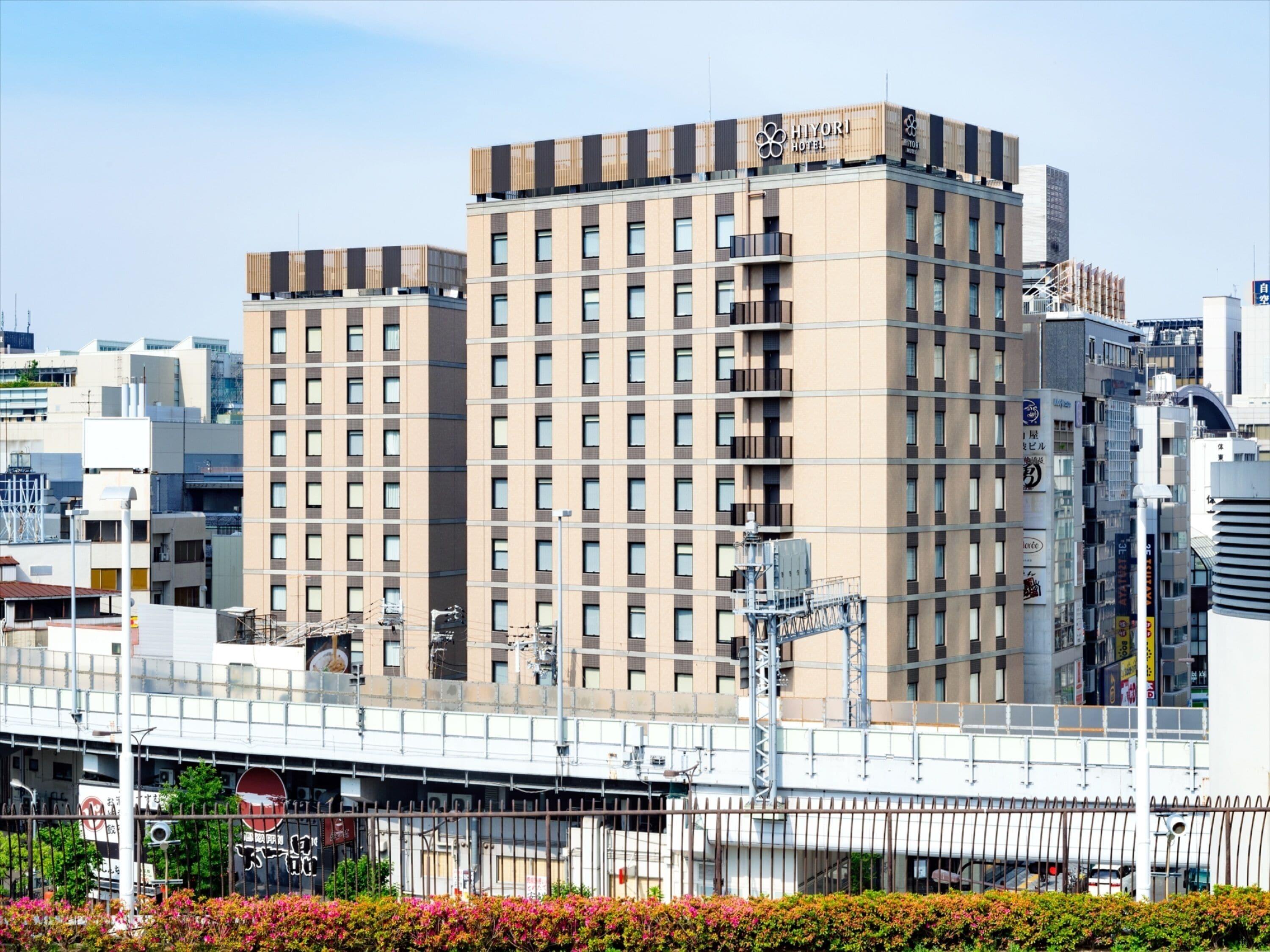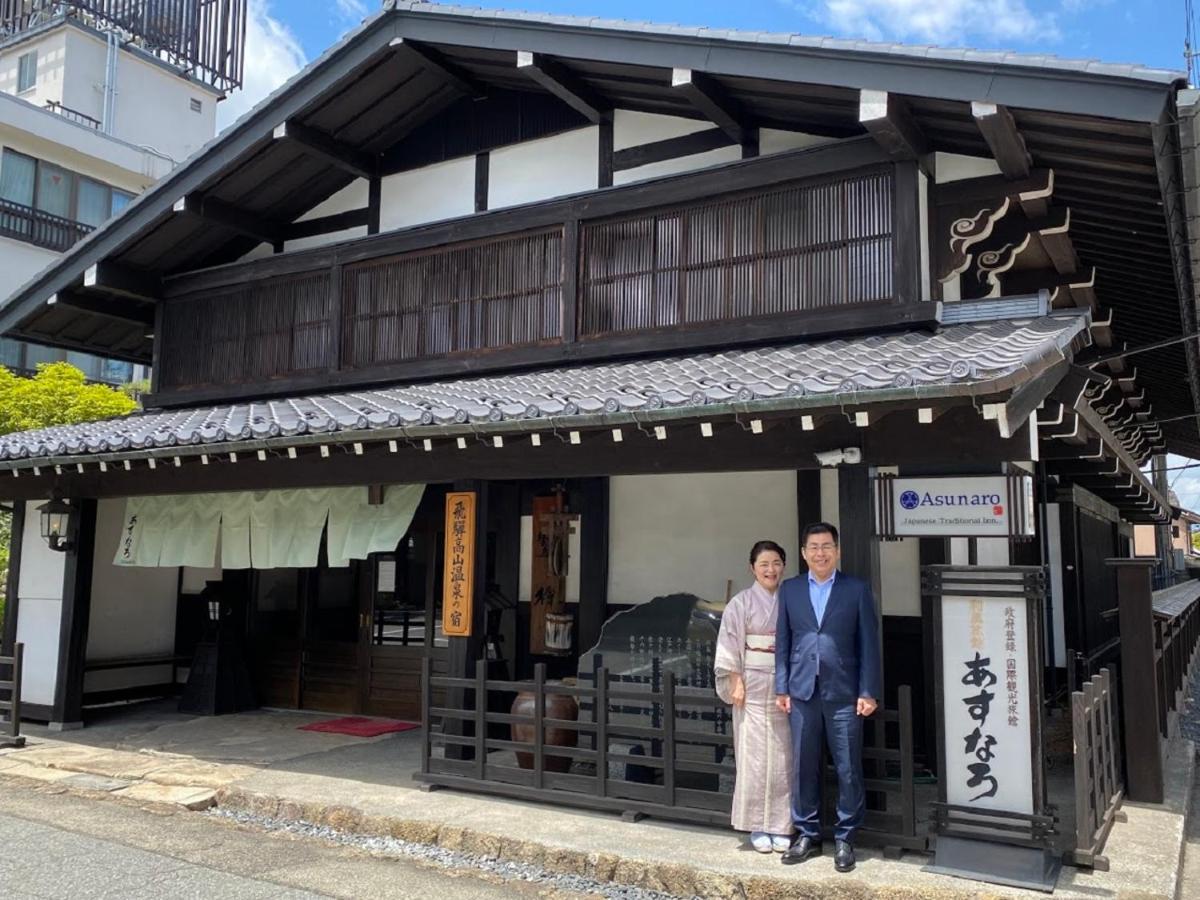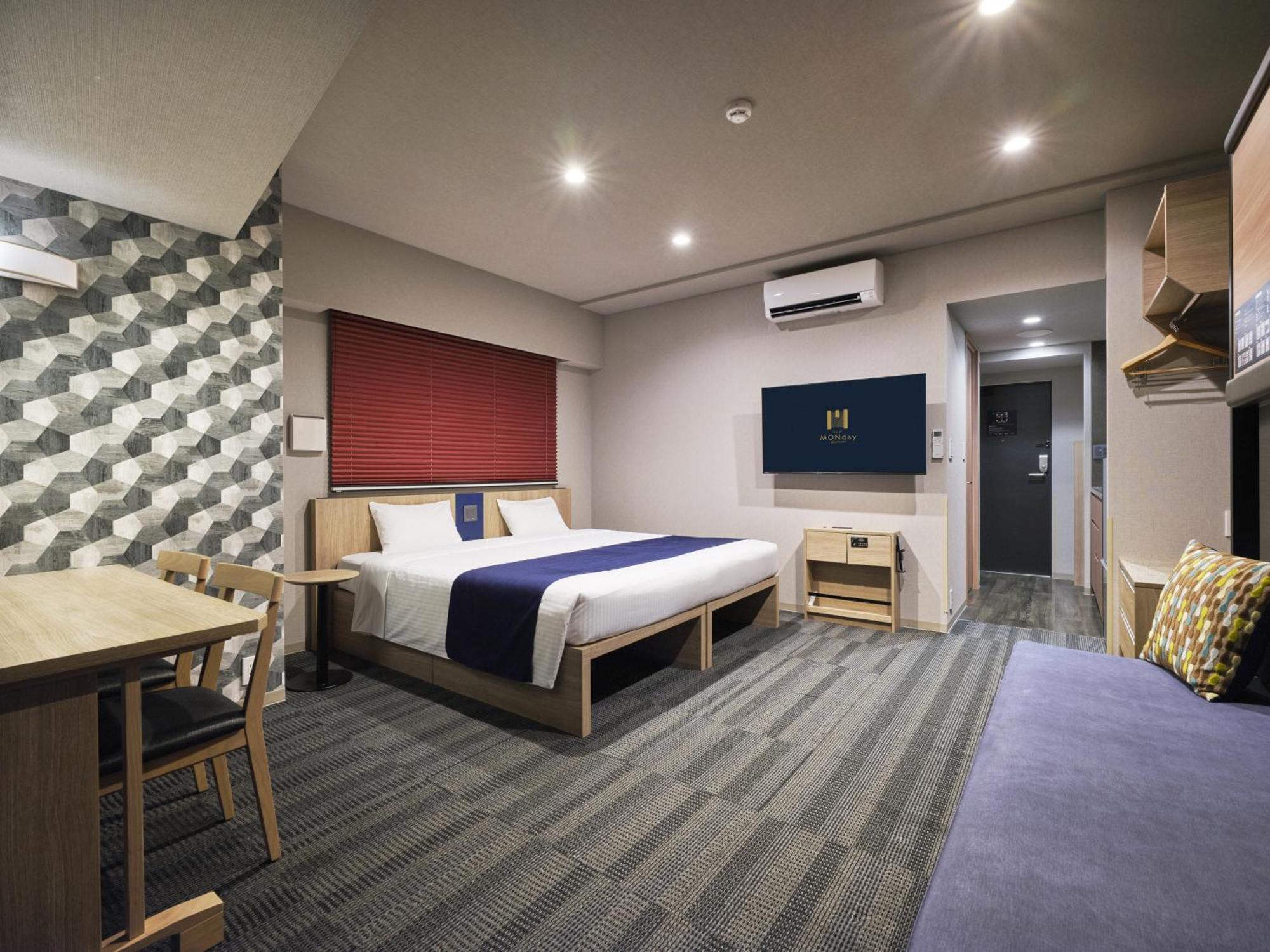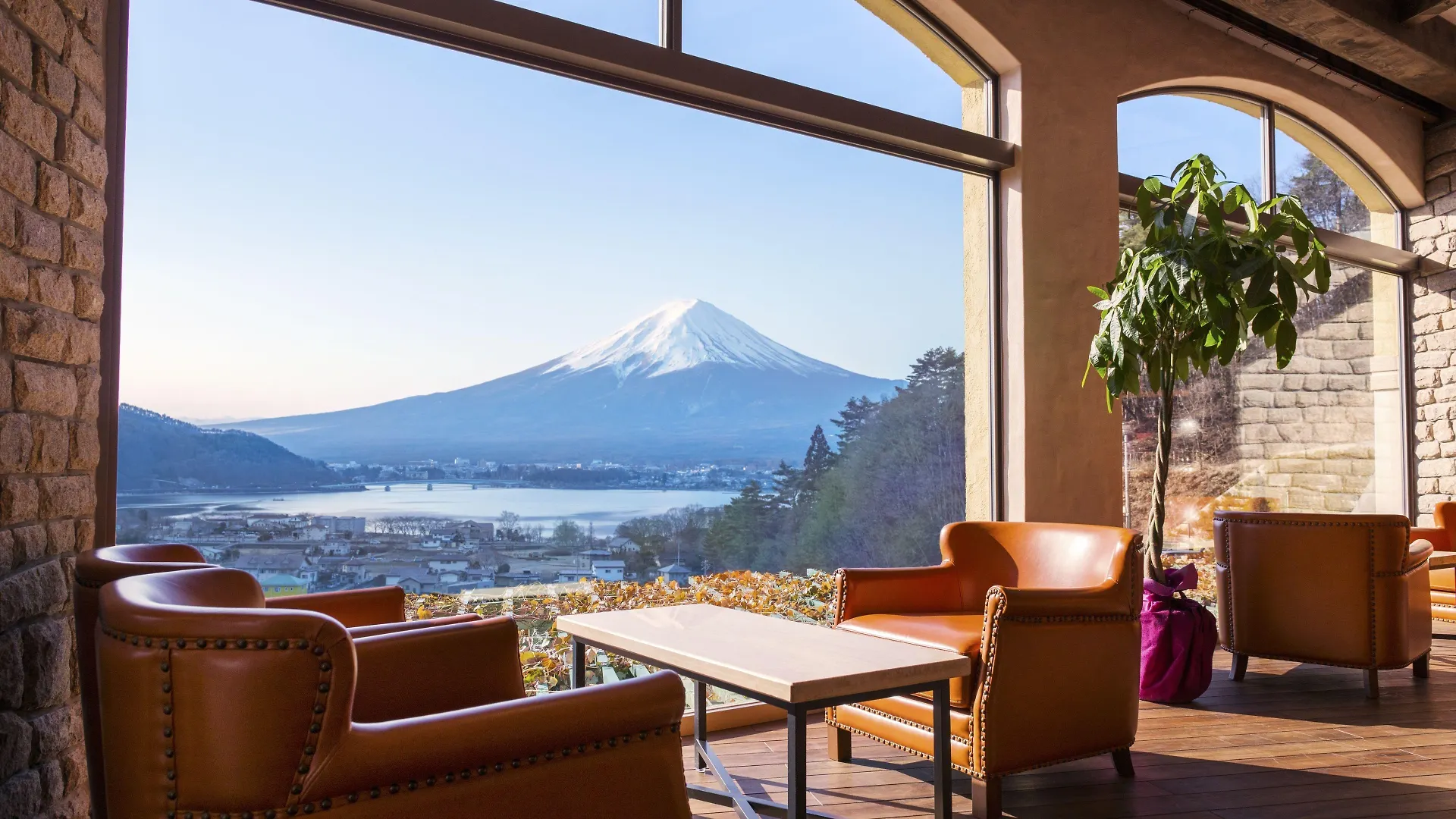
Fujikawaguchiko Onsen-kyo is the dedicated hot spring district of Fujikawaguchiko town, clustered along the northern shore of Lake Kawaguchi with direct sightlines to Mount Fuji. Hotels here are purpose-built for the onsen experience - meaning natural alkaline spring access, kaiseki dining, and lake-facing rooms are the norm, not the upgrade. For travelers choosing between the broader Fujikawaguchiko area and this specific district, the difference is immediate: you are steps from the water's edge rather than a taxi ride away.
What It's Like Staying in Fujikawaguchiko Onsen-kyo
Fujikawaguchiko Onsen-kyo occupies the north shore of Lake Kawaguchi, roughly 5 km from the center of Kawaguchiko Station - which means most movement here is car or shuttle-dependent, not walkable in the urban sense. The district is quiet by design: hotels are spread along lakeshore roads like Kawaguchiko Kitagan-dori, and the rhythm of the day revolves around breakfast buffets, onsen sessions, and early evening Mt. Fuji photography rather than street-level exploration. Crowd pressure peaks sharply during cherry blossom season (late March to mid-April) and the autumn foliage window (mid-October to mid-November), when room availability can drop by around 80% across the district with weeks of advance notice required.
Pros:
- * Direct lakefront positioning means unobstructed Mt. Fuji views from rooms and open-air baths without needing to travel
- * Shuttle services run by most onsen hotels reduce the need for a rental car for guests focused on the spa-and-scenery itinerary
- * Natural hot spring access (alkaline chloride-sulfate springs) is built into the hotel rate - no separate day-use fee
Cons:
- * Walking to convenience stores, izakayas, or independent restaurants requires at least a 15-minute drive or bus ride to the Kawaguchiko Station area
- * Limited public transport frequency along the lakeshore means guests without a car depend entirely on hotel shuttles
- * The district is almost exclusively resort-focused - unsuitable for travelers wanting city-style dining variety or nightlife access
Why Choose 4-Star Hotels in Fujikawaguchiko Onsen-kyo
Four-star properties in Fujikawaguchiko Onsen-kyo occupy a clear functional tier: they offer the full onsen infrastructure - large public baths, open-air baths, private in-room hot tubs in select rooms - alongside Western amenities like flat-screen TVs, en-suite bathrooms with bidets, and buffet breakfast service. Compared to budget ryokans in the same district, 4-star hotels typically provide around 40% more room floor space, private parking, and English-speaking front desk coverage, which directly affects usability for international travelers. The trade-off versus luxury-tier properties in the area is primarily in dining exclusivity and the level of room personalization rather than onsen quality, which is comparable across tiers given shared spring sources.
Pros:
- * In-room hot tubs available in premium room categories - a practical option for guests who prefer not to use communal baths
- * Free private parking and shuttle services are standard at 4-star level, making car-based itineraries to Fuji-Q Highland or Chureito Pagoda straightforward
- * Buffet breakfast is typically included or available at a fixed supplement, covering both Western and Japanese options without leaving the property
Cons:
- * Peak-season rates at 4-star onsen hotels in this district can spike significantly - advance booking of at least 6 weeks is strongly advised for cherry blossom or autumn periods
- * Soundproofing between rooms can be inconsistent in older ryokan-style buildings despite the 4-star classification
- * Most properties impose strict check-in windows and onsen usage schedules that require guest flexibility
Practical Booking & Area Strategy for Fujikawaguchiko Onsen-kyo
The core lakeshore road - Kawaguchiko Kitagan-dori (Route 710) - is where the district's best-positioned hotels sit, offering direct lake views and Mt. Fuji sightlines that are impossible to replicate from properties set back even one block. From Kawaguchiko Station, the district sits around 5 km east, accessible via the Fujikyu bus retro line (Stop 14-16 range) or hotel shuttle - plan for around 12 minutes by shuttle with advance booking. For day trips, Fuji-Q Highland is under 10 minutes by car, the Chureito Pagoda at Arakurayama Sengen Park requires a 20-minute drive followed by a 5-minute stair climb, and Oshino Hakkai springs are roughly 20 minutes east. Book the hotel shuttle in advance - it's the single most overlooked step that affects the entire stay logistics, since taxis in this area are infrequent and expensive at night. The Fuji-Kawaguchiko Cherry Blossom Festival runs along the north shore directly adjacent to the Onsen-kyo district, making lakefront properties here among the most sought-after accommodations in the entire Fuji Five Lakes region during late March through mid-April.
Best Value Stay
A strong entry point into 4-star onsen accommodation in the district, combining full hot spring infrastructure with direct Mt. Fuji views and family-capable room configurations.
-
1. La Vista Fujikawaguchiko
Show on map


 Check-infrom 15:00 until 19:00Check-outuntil 11:00
Just a few rooms left at the best rate!
fromJP¥ 42080
Best Premium Stay
A lakeside ryokan-style 4-star property on the north shore of Lake Kawaguchi, positioned for guests who prioritize panoramic Mt. Fuji and lake views from every room alongside a higher-end onsen and dining experience.
-
2. Shuhokaku Kogetsu
Show on map


 Check-infrom 15:00 until 19:00Check-outuntil 10:00
Hurry – almost gone at this price!
fromJP¥ 80378
Smart Timing & Booking Advice for Fujikawaguchiko Onsen-kyo
The two sharpest demand windows in Fujikawaguchiko Onsen-kyo are the cherry blossom period (late March through mid-April, coinciding with the Fuji-Kawaguchiko Cherry Blossom Festival on the north shore directly outside lakefront hotels) and the koyo autumn foliage period (mid-October through mid-November). During both windows, lakefront 4-star properties in the district routinely sell out at least 6 weeks ahead, and prices at the premium tier can increase by around 40% compared to standard off-peak rates. For the quietest and most affordable stay, January through early March offers cold but clear weather - statistically the highest Mt. Fuji visibility season - with significantly lower occupancy. A minimum two-night stay is strongly recommended: the first evening covers arrival, shuttle coordination, and the first onsen session; the second morning is when guests can use the open-air bath at dawn for the clearest, crowd-free Fuji views before checkout. Last-minute booking in peak periods in this district almost always means settling for non-lakefront rooms or lower-tier properties, so early reservation is the single most impactful booking decision for this area.