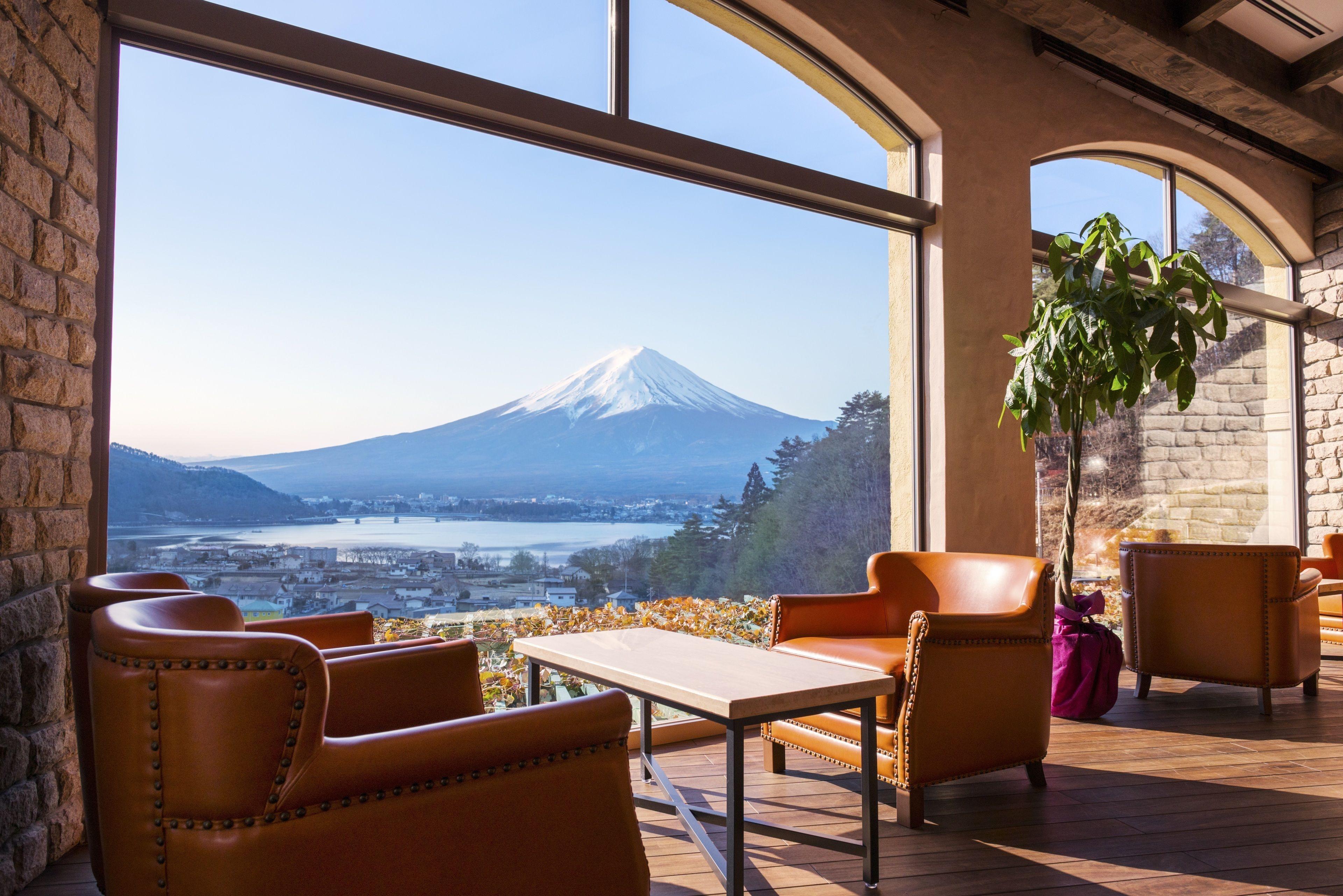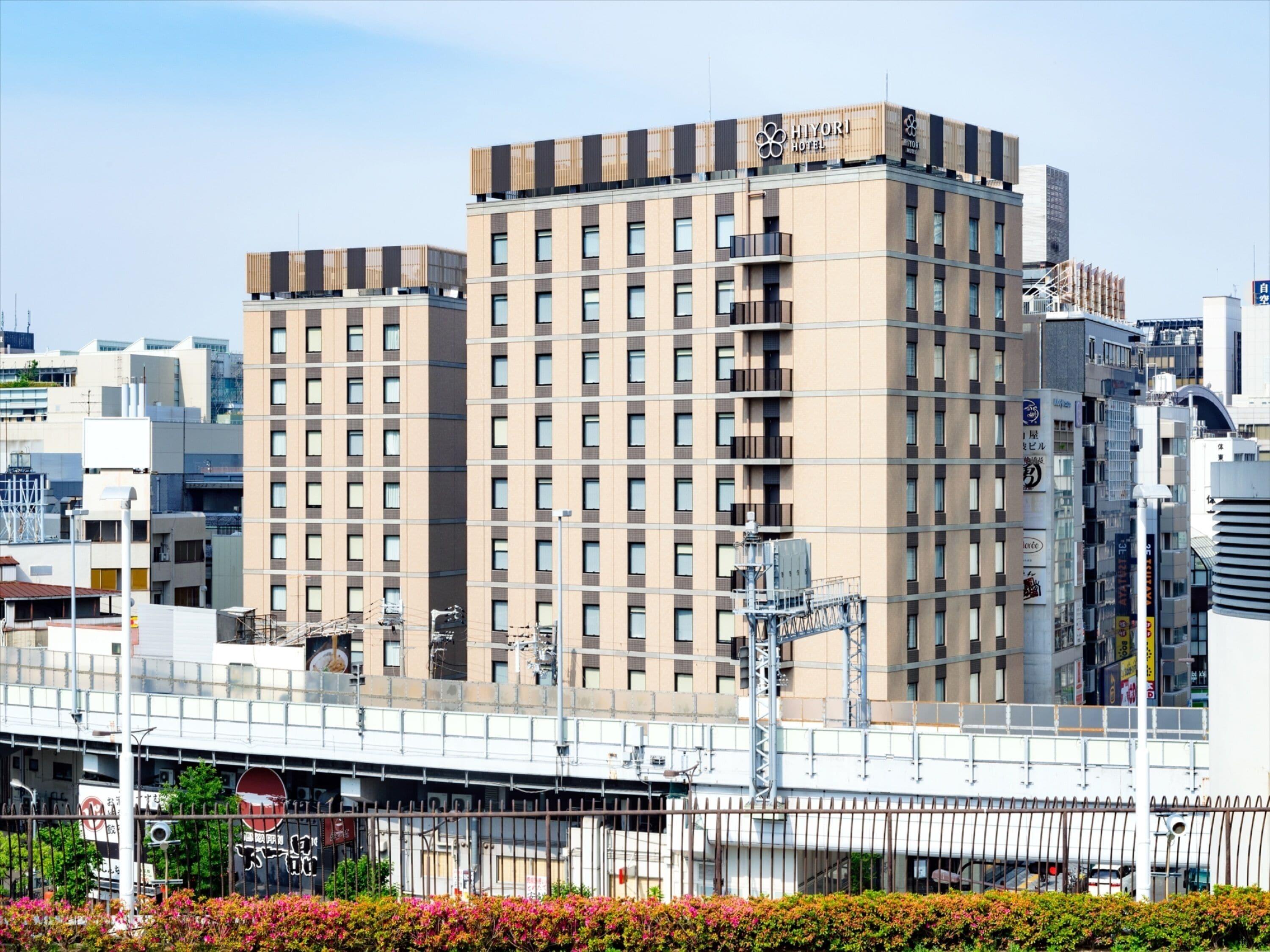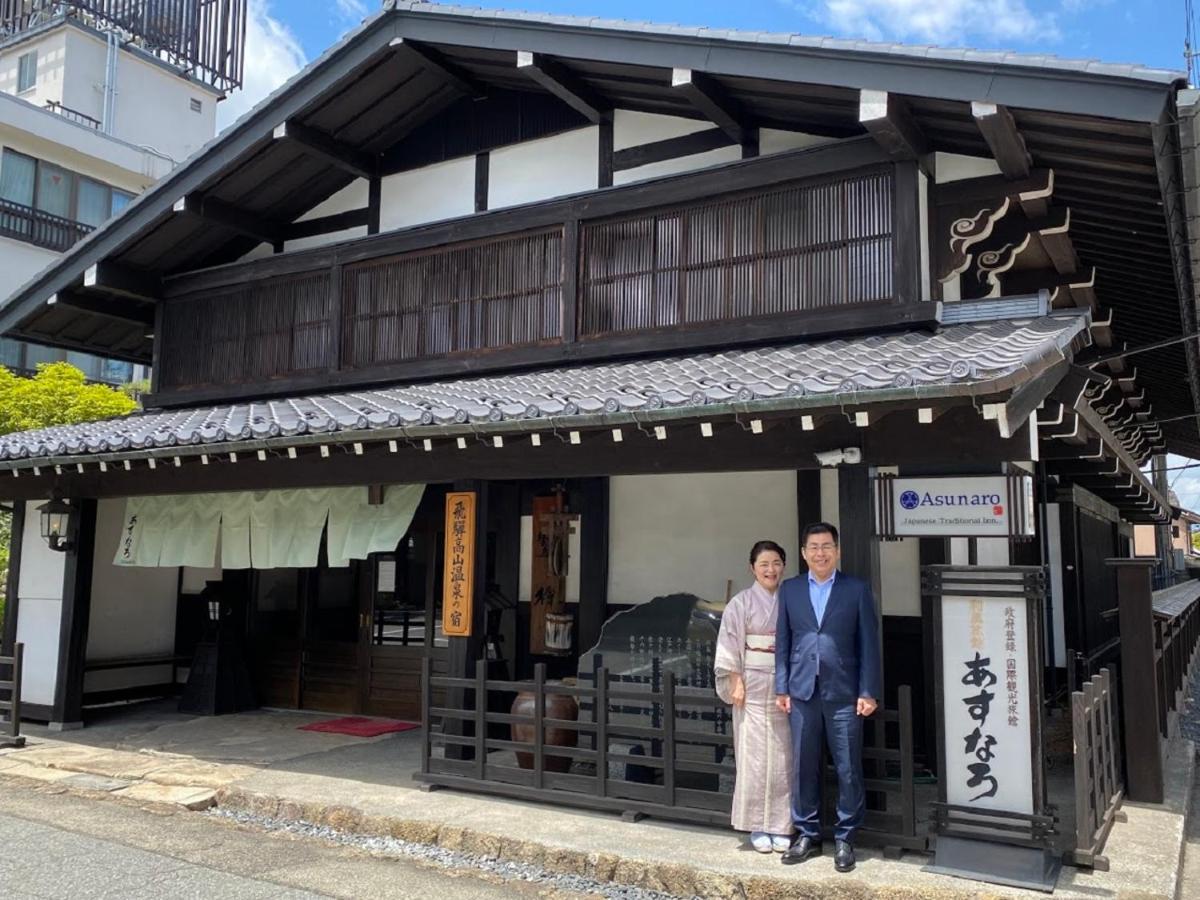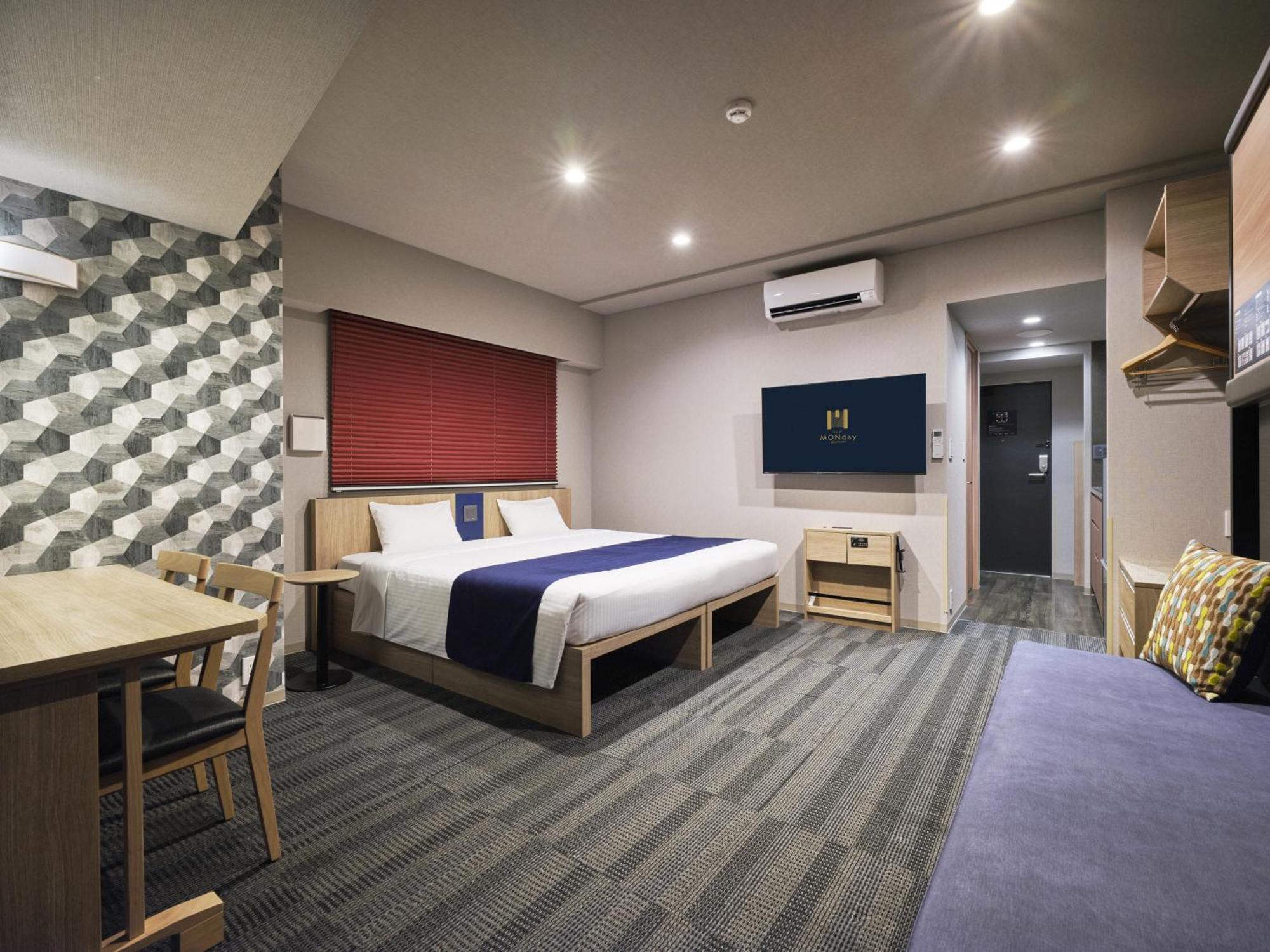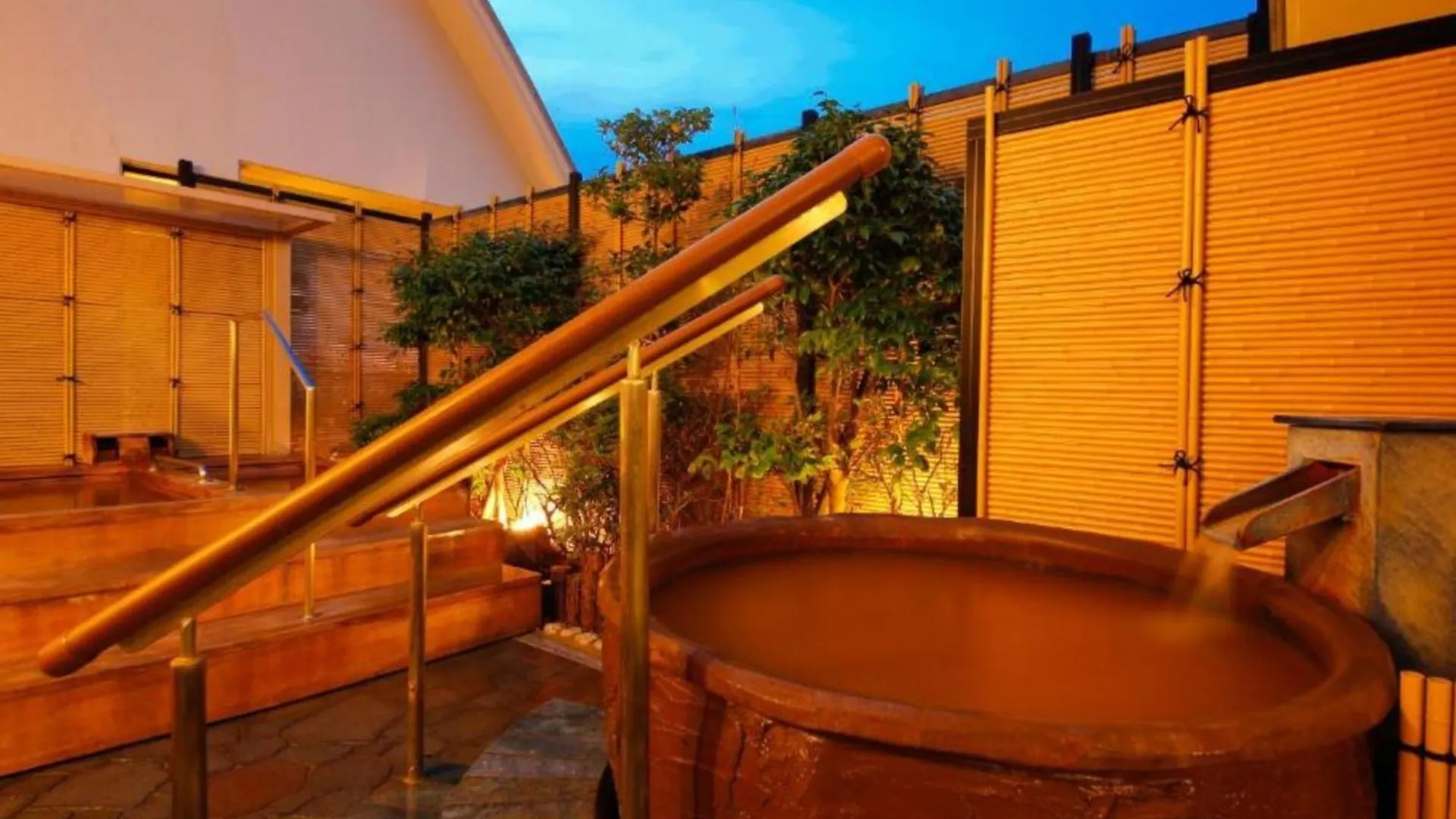
Arima Onsen sits in the mountains of Kobe's Kita Ward, about 40 minutes from Sannomiya by subway and rail, making it one of Japan's most accessible hot spring retreats without feeling like a city extension. The town is compact enough to cover entirely on foot, yet distinct enough from Kobe's urban center that staying overnight here is a fundamentally different experience from staying in the city. This guide compares the two 4-star hotels currently available in Arima Onsen, breaking down what each actually delivers for guests who want onsen access, tatami rooms, and genuine ryokan atmosphere.
What It's Like Staying in Arima Onsen
Arima Onsen is one of Japan's three oldest hot spring resorts, alongside Dogo Onsen and Shirahama Onsen, and the entire town is built around the ritual of the bath. The walkable core fits within roughly 10 minutes end to end, meaning all temples, public baths, and souvenir streets are reachable without transport once you check in. Crowds concentrate on weekends and during autumn foliage season in mid-November, when the narrow stone-paved streets fill with day-trippers from Kobe, Osaka, and Kyoto - so weekday stays deliver a noticeably quieter atmosphere. Arima is worth staying overnight specifically because private hot spring access in your room is only available to hotel guests, not day visitors - a key reason this destination rewards an overnight booking over a day trip.
Pros:
- * All major attractions - Kin no Yu public bath, Gin no Yu, Tenjin Gensen spring source, and Zenpuku-ji Temple - are within a short walk from any hotel in the area
- * The mountain setting on Mt. Rokko means noticeably cooler temperatures than central Kobe, making it a practical summer and autumn retreat
- * Overnight guests can access private in-room hot spring baths unavailable to day-trippers, the defining reason to book a stay here
Cons:
- * Dining options outside your ryokan are limited after 8 PM - most small restaurants and shops close early
- * The town has almost no nightlife and very little to do after the baths close, which can feel restrictive for guests who are not focused on relaxation
- * Weekend and holiday room rates spike significantly due to high demand from Kobe and Osaka residents, making last-minute bookings expensive
Why Choose a 4-Star Hotel in Arima Onsen
In Arima Onsen, the 4-star category bridges the gap between basic ryokan guesthouses and high-end luxury properties that charge a premium for kaiseki dinners and exclusive spring access. Four-star properties here typically include private bathroom hot spring access in select room tiers - a feature absent in budget-category inns where guests must use shared communal baths only. Room sizes are generous by Japanese standards, with tatami layouts accommodating futon sleeping arrangements across multiple guests, making these properties especially practical for pairs or small groups seeking both comfort and cultural immersion. The trade-off versus 5-star onsen resorts is a more limited à la carte dining experience, though both properties reviewed here include structured meal options.
Pros:
- * Access to private in-room hot spring baths in upgraded room tiers, which is the core draw of an Arima Onsen stay
- * Tatami rooms with futon sleeping maintain authentic ryokan character while offering modern amenities like flat-screen TVs and air conditioning
- * Both properties offer free on-site parking - a meaningful advantage given Arima Onsen's location requires car or train access with no urban walkability from Kobe
Cons:
- * Room rates at this category in Arima Onsen run higher than comparable 4-star city hotels in Kobe's Sannomiya district, reflecting the resort premium
- * Suite rooms with private hot springs can book out weeks in advance during autumn and spring peak seasons, limiting last-minute flexibility
- * The adult-only policy at one of the two properties restricts family bookings, narrowing options for travelers with children
Practical Booking and Area Strategy for Arima Onsen
Both 4-star hotels in Arima Onsen sit within walking distance of the town's key sites: Tenjin Gensen spring source, Zenpuku-ji Temple (with its 270-year-old weeping cherry trees), Hosenji Temple, and the Philatelic Culture Museum Arima are all reachable on foot. Arima Onsen Station on the Shintetsu Arima Line is the main transport hub, with connections to Tanigami Station and onward to Shin-Kobe in around 30 minutes total - making the town realistic for those also exploring Kobe or Osaka. Autumn from mid-November to early December is peak season due to Rokko mountain foliage, and bookings should be made at least 6 weeks ahead for this window. The Arima River corridor and the Negaizaka slope are the most scenic streets for evening strolls after the baths, while Zuihoji Koen Park offers a calm forested walk about 8 minutes from the center of town.
Best Value Stay
Arima Hot Spring Ryokan Hanamusubi positions itself as the most family-accessible and service-complete option among the two 4-star properties in Arima Onsen, with a 24-hour front desk and free shuttle from the train station.
-
1. Arima Hot Spring Ryokan Hanamusubi
Show on map


 Check-infrom 15:00 until 20:00Check-outfrom 08:00 until 10:00
Just a few rooms left at the best rate!
fromJP¥ 43184
Best Premium Stay
Arima Onsen Takayamaso Hanano is the adult-only 4-star option in Arima Onsen, offering a higher concentration of suite-tier hot spring rooms, including top-floor suites with two different spring types and a fireplace - the most distinctive room offering in this category.
-
2. Arima Onsen Takayamaso Hanano (Adults Only)
Show on map


 Check-infrom 15:00 until 18:00Check-outfrom 09:00 until 11:00
Hurry – almost gone at this price!
fromJP¥ 73286
Smart Timing and Booking Advice for Arima Onsen
Autumn is the most competitive booking window for Arima Onsen, with foliage peaking from mid-November to early December drawing visitors from Kobe, Osaka, and Kyoto simultaneously - rates at both properties climb steeply during this window and suite rooms routinely sell out. Spring cherry blossom season at Zenpuku-ji (late March to early April) is the second busiest period, while summer draws guests escaping Kobe's urban heat given Arima's elevated mountain position. The quietest and most cost-effective months are January and February, when the baths are arguably at their most atmospheric and weekday rates drop noticeably compared to peak periods. Two nights is the practical minimum for an Arima Onsen stay - one night is enough to use the baths but rarely enough to slow down into the ryokan rhythm the destination is built around. Booking suite-category rooms with private hot springs requires advance planning of at least 6 weeks during autumn and 4 weeks during spring; standard tatami rooms carry more availability but still benefit from early commitment on weekends year-round.