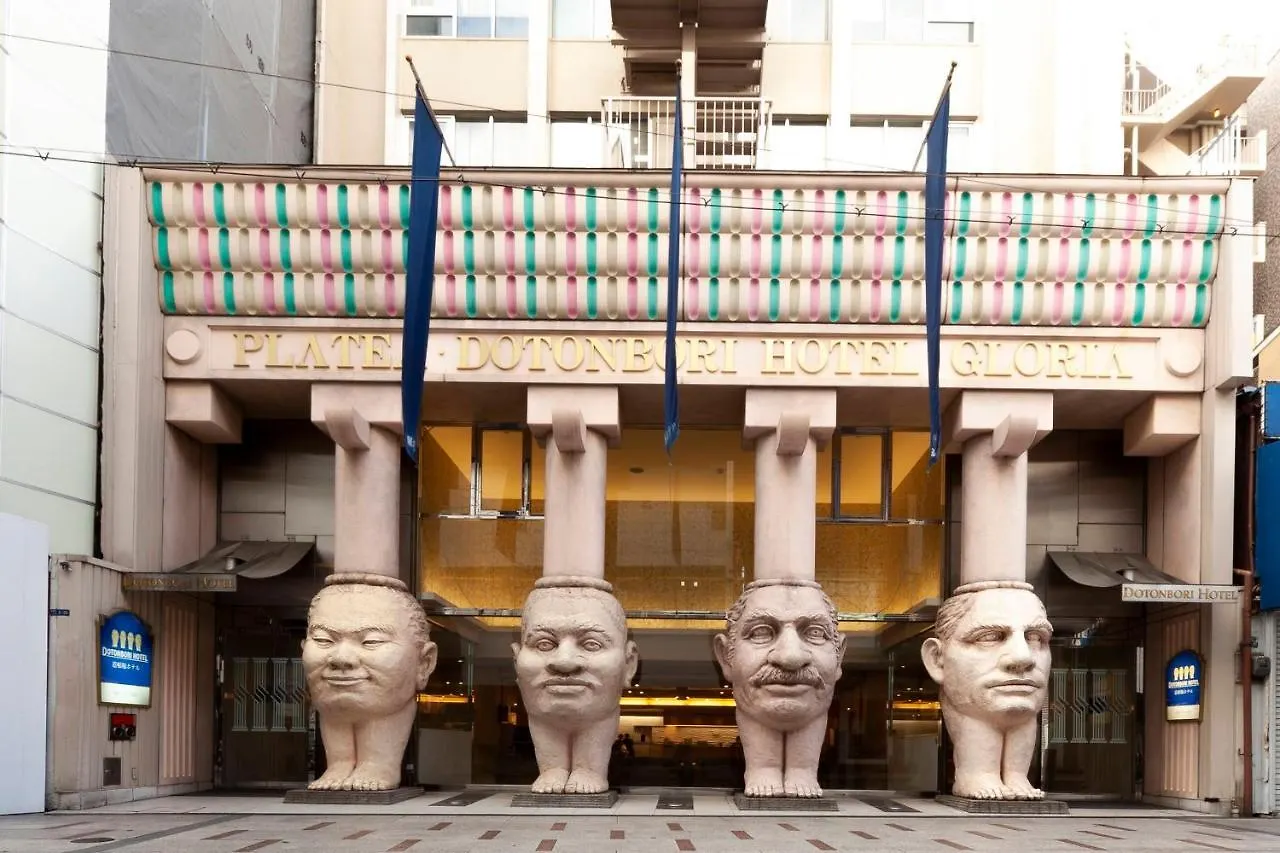
Dotonbori is the beating heart of Osaka's entertainment and food culture, where the Glico Running Man sign lights up the Dotonbori Canal and takoyaki stalls line every corner. Staying centrally here means placing yourself within walking reach of Namba Station, Shinsaibashi Shopping Arcade, and Hozenji Yokocho - without relying on the subway for daily sightseeing. This guide breaks down four central hotels in Dotonbori so you can compare locations, room configurations, and practical value before booking.
What It's Like Staying in Dotonbori
Dotonbori operates on a night-first rhythm - the canal strip and its side alleys fill up sharply after 6 PM, with the area reaching peak density around 9-11 PM on weekends and public holidays. Namba Station, the district's main subway hub, connects to the Midosuji, Sennichimae, and Yotsubashi lines, meaning you can reach Shin-Osaka or Tennoji in under 15 minutes on foot or one stop by metro. Hotels directly on or adjacent to the Dotonbori canal strip face genuine street noise through the night, so floor selection and room positioning matter more here than in quieter Osaka neighborhoods. Most sightseeing in the area is walkable - the Glico Man sign, Shinsaibashi arcade, and Hozenji Yokocho are all within around 10 minutes on foot from any central property listed here.
Pros:
* Zero-transfer access to Osaka's core nightlife, street food corridor, and Shinsaibashi retail strip
* Namba Station's multi-line connectivity makes day trips to Kyoto, Nara, and Kobe straightforward without a taxi
* Street-level convenience stores, pharmacies, and coin laundries within a 2-minute walk of almost every hotel
Cons:
* Canal-facing and ground-floor rooms can be loud until after midnight, especially on weekends
* Weekend evenings bring dense tourist crowds on the main Dotonbori walkway, making simple errands slower
* Room sizes at centrally located Dotonbori hotels tend to run smaller than equivalently priced hotels in less touristed Osaka districts
Why Choose a Central Hotel in Dotonbori
Central hotels in Dotonbori sit within a compact footprint between the canal and Namba Station, giving guests the ability to return to their room between activities rather than committing to long transit windows. This category typically commands a location premium of around 20% compared to hotels one metro stop away in Shinsaibashi or Nippombashi, but that cost buys direct walking access to Osaka's densest cluster of izakayas, ramen shops, and street food vendors. Room footprints across these properties average around 18-22 square meters, which is standard for Japanese city-center hotels - not cramped by local norms, but noticeably compact by Western standards. The trade-off is clear: you pay slightly more per square meter for the convenience of walking to Dotonbori's main attractions in under 5 minutes rather than building transit time into every evening plan.
Pros:
* Walking access to Dotonbori canal, Glico sign, and Shinsaibashi eliminates daily subway costs for sightseeing
* Several central properties include on-site restaurants and bars, reducing the need to plan every meal outside
* Luggage storage and 24-hour front desks are standard across this hotel tier, supporting flexible check-in around Japan Rail schedules
Cons:
* Parking, where available, is often limited and expensive - not suitable as a base for car-based itineraries
* Breakfast options at budget and mid-range central hotels are functional rather than elaborate
* Central positioning near entertainment venues means light-sensitive guests need to request upper or interior-facing rooms proactively
Practical Booking & Area Strategy for Dotonbori
The most tactically sound positioning in Dotonbori is along or just off Dotonboribashi-suji and the streets connecting it to Nankai Namba Station - this keeps you equidistant from the canal atmosphere and the transit grid. Hotels on Sennichimae-dori or north of the canal toward Shinsaibashi benefit from slightly reduced foot-traffic noise without adding meaningful walk time to main attractions. Book at least 8 weeks ahead for stays in late March through early April (cherry blossom season) and October, when Osaka hotel rates spike and availability at well-positioned central properties drops sharply. The Tombori River Walk and canal cruise departure points are within a 5-minute walk of all four hotels listed here, and the Hozenji Yokocho lantern alley - one of Osaka's most atmospheric dinner corridors - is accessible in under 10 minutes on foot from any of them. For late-night arrivals from Kansai International Airport, the Nankai Line terminates at Namba Station, making these central hotels among the most arrival-convenient options in the city without needing a taxi.
Best Value Stays
These properties deliver strong central positioning in Dotonbori at rates that prioritize accessibility and functional comfort over premium finishes - the right choice when the room is a base, not the destination.
-
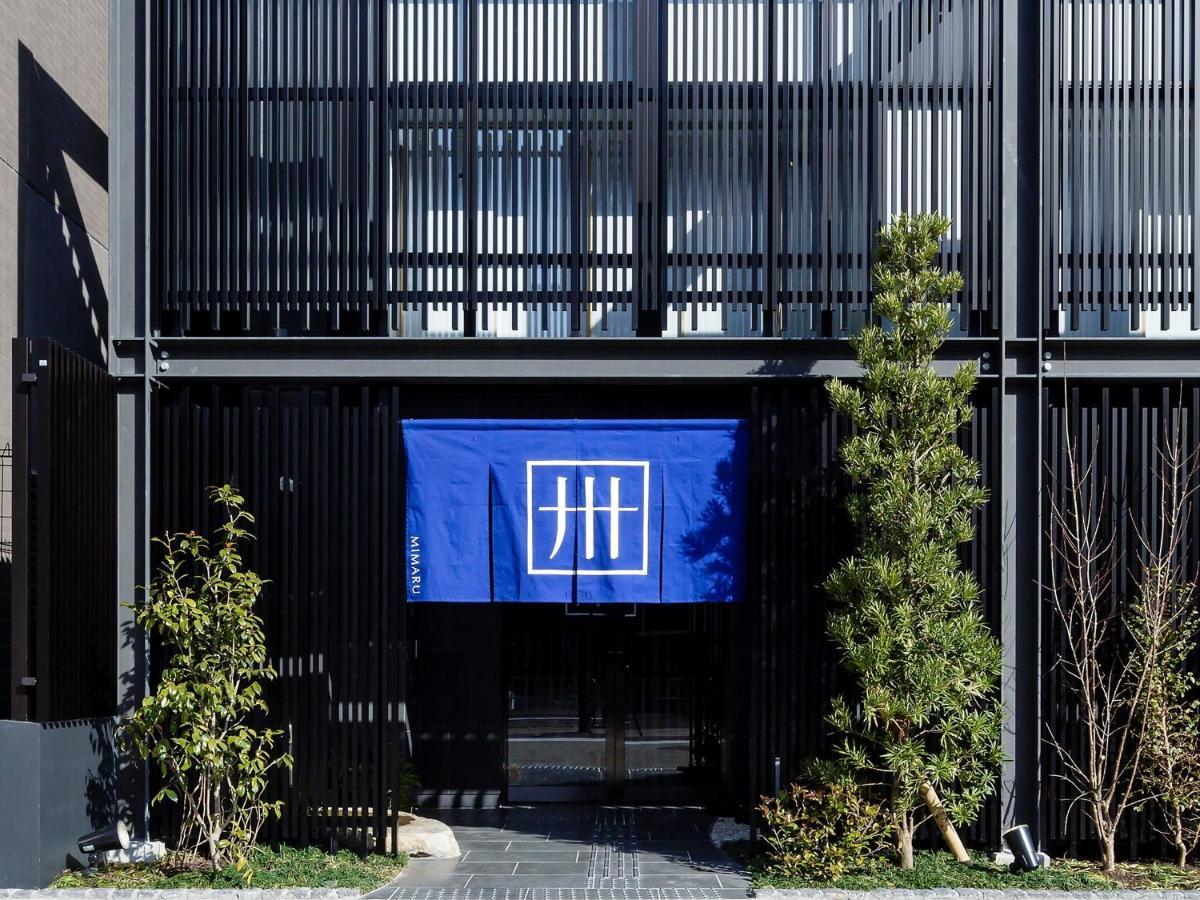
1. Dotonbori Hotel (Adults Only)
Show on map


 Check-infrom 15:00 until 23:59Check-outuntil 11:00
Just a few rooms left at the best rate!
fromJP¥ 12449
-
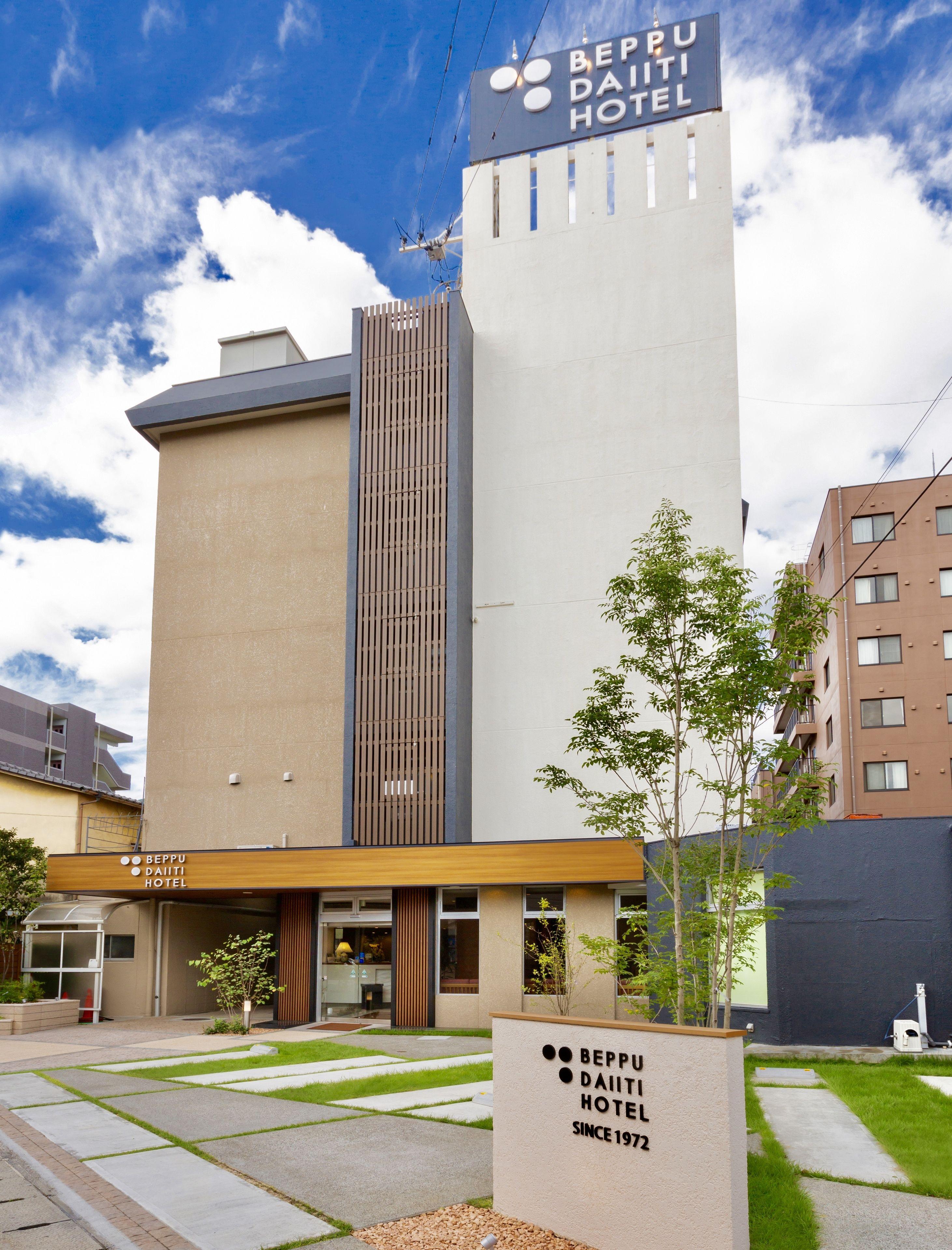
2. Yamatoya Honten Ryokan Osaka
Show on map


 Check-infrom 15:00 until 23:59Check-outuntil 10:00
Just a few rooms left at the best rate!
fromJP¥ 19067
Best Premium Stays
These properties step up in facilities, room configuration breadth, and on-site dining, suiting travelers who want central Dotonbori access paired with a more complete in-hotel experience.
-
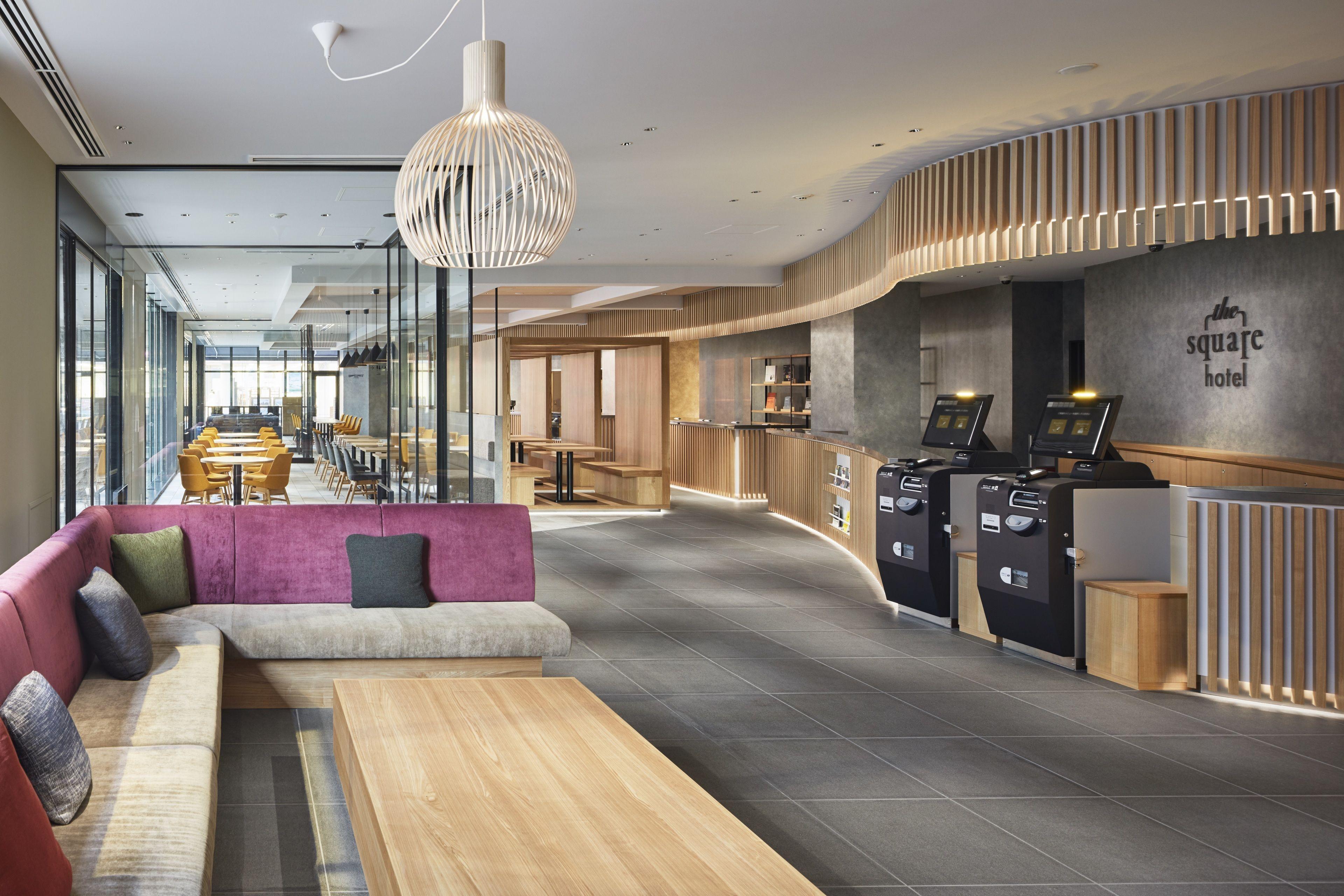
3. Holiday Inn Osaka Namba By Ihg
Show on map


 Check-infrom 15:00 until 23:59Check-outuntil 11:00
Hurry – almost gone at this price!
fromJP¥ 23164
-
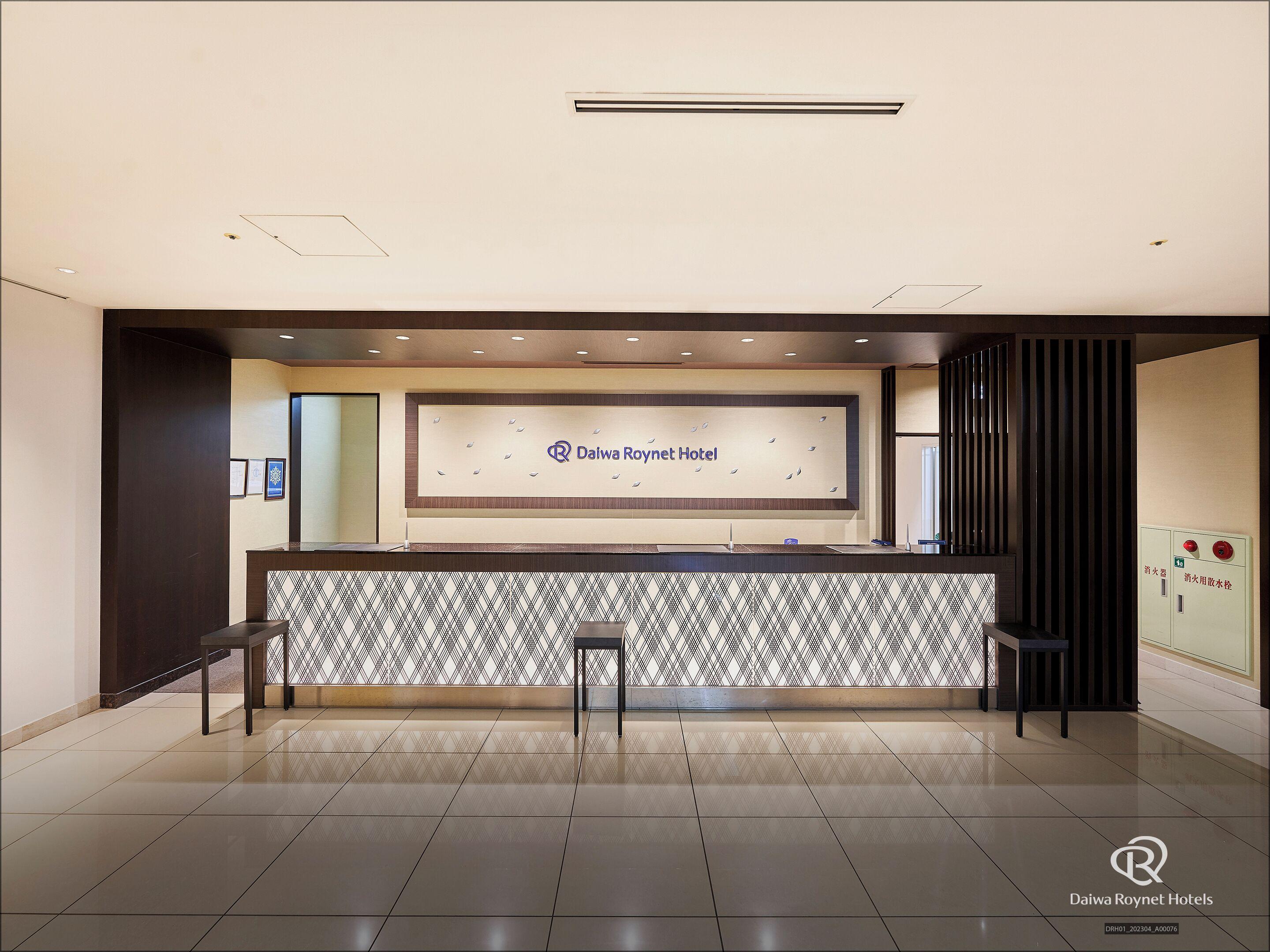
4. Vessel Inn Namba
Show on map


 Check-infrom 14:00 until 23:59Check-outuntil 11:00
Rooms filling fast – secure the best rate!
fromJP¥ 13079
Smart Travel & Timing Advice for Dotonbori
Dotonbori's peak pricing windows align tightly with Japan's national travel surges: late March through early April for cherry blossoms and October for autumn foliage, when hotel rates across Namba rise sharply and central properties book out weeks in advance. Book at least 8 weeks ahead for stays during these windows - last-minute availability in well-located central hotels is genuinely limited, not just a booking-platform nudge. The quietest and most cost-effective windows to stay in Dotonbori are June (rainy season) and early February, when crowds thin, street food queues shorten, and rates soften. For most itineraries, around 3 nights in Dotonbori is the right baseline - enough to cover the canal strip, Shinsaibashi, Hozenji Yokocho, Kuromon Ichiba Market, and a day trip to Nara or Kyoto without rushing. Dotonbori itself is at its most atmospheric after dark on weeknights rather than weekends, when the crowd density on the canal walkway can make it difficult to move freely. Checking in on a Sunday or Monday gives you the peak evening atmosphere without the heaviest Saturday crowds during your first night.