Naka Ward sits at the geographic and cultural heart of Yokohama, placing guests within walking distance of Chinatown, Yamashita Park, Motomachi, and Kannai's business and entertainment corridors. Hotels here serve both leisure travelers navigating the waterfront and business visitors attending events at Pacifico Yokohama or Yokohama Stadium. This guide covers 5 central hotels in Naka Ward that combine access, value, and area-specific advantages worth evaluating before you book.
What It's Like Staying in Naka Ward, Yokohama
Naka Ward is Yokohama's most walkable central zone - the Minatomirai waterfront, Yokohama Chinatown (Japan's largest), Motomachi shopping street, and Kannai's administrative and stadium district are all reachable on foot from most hotels here. The ward compresses a remarkable variety of urban environments into a compact area, meaning your hotel's micro-location determines whether you're in a lively tourist corridor or a quieter business-facing block. The Minatomirai Line and JR Negishi Line provide efficient rail access, but many key sights sit within a 10-minute walk of major hotels. Crowd density is highest near Chinatown and Yamashita Park on weekends, particularly from spring cherry blossom season through autumn, which directly affects street noise levels at street-facing hotels.
Pros:
- Walking access to Yokohama's top attractions - Chinatown, Yamashita Park, Red Brick Warehouse - without relying on trains
- Multiple rail lines (Minatomirai, JR, subway) connect Naka Ward to Yokohama Station and Haneda Airport efficiently
- Dense concentration of dining - from Chinatown dim sum to Motomachi cafés - within the ward itself
Cons:
- Weekend tourist crowds around Chinatown and the waterfront create significant street congestion from midday onward
- Hotels closest to the entertainment zones command premium rates versus comparable rooms in neighboring Nishi Ward
- Limited late-night convenience options in quieter residential pockets of the ward
Why Choose a Central Hotel in Naka Ward
Central hotels in Naka Ward are primarily positioned to eliminate transit time - staying here means skipping the train to reach Chinatown, Yamashita Park, Bashamichi, or Kannai, all of which compress into a walkable radius. Room rates at central Naka Ward hotels typically run around 20% higher than comparable properties near Yokohama Station in Nishi Ward, but that premium directly buys location convenience rather than room size. Rooms in this category are generally functional in size - business hotel standards dominate the mid-range tier - though some properties like Hotel New Grand offer larger rooms with bay views that justify the step up in price. Noise is a real factor at waterfront-adjacent and Chinatown-adjacent hotels, particularly on weekend evenings when the area draws heavy foot traffic.
Pros:
- Direct walkable access to Naka Ward's major commercial and cultural attractions, reducing daily transport costs and time
- Concentration of well-branded, reliable hotel chains alongside historic properties - practical for both short and multi-night stays
- 24-hour front desk services are standard across central Naka Ward hotels, useful for late arrivals from Tokyo or Haneda
Cons:
- Higher nightly rates compared to hotels in Yokohama Station area, with limited budget options at street level
- Room sizes in business-category hotels are compact - not suited to families expecting spacious layouts without upgrading
- Parking, when available, is charged separately and often limited - a relevant friction point for guests arriving by car
Practical Booking & Area Strategy for Naka Ward
The strongest micro-location within Naka Ward for central access is the stretch between Nihon-odori Avenue and Yamashita-cho - hotels here place guests within a 5-minute walk of Chinatown's Zenrinmon Gate, Yamashita Park, and the Motomachi-Chukagai subway station. Bashamichi Street, running northwest from the waterfront, is a calmer alternative lined with Meiji-era brick architecture that connects efficiently to Kannai Station on the JR Negishi Line. For Haneda Airport arrivals, the Minatomirai Line runs directly to Motomachi-Chukagai Station with a journey time of around 45 minutes - no transfers required. Book at least 6 weeks ahead for stays during the Yokohama Sparkling Twilight fireworks season (July-August) and the Chinese New Year period in Chinatown, when Naka Ward hotels sell out well in advance. Key attractions within the ward include the Kanagawa Prefectural Museum of Cultural History on Nihon-odori, Osanbashi International Passenger Terminal, the Yokohama Doll Museum, and Yokohama Stadium - all reachable without public transport from any central hotel in the ward. Nighttime atmosphere along the Minatomirai waterfront and Chinatown is active and well-lit, making evening walks safe and genuinely atmospheric.
Best Value Stays in Naka Ward
These hotels deliver practical, well-located access to Naka Ward's core areas at competitive rates, without sacrificing the essentials that matter for a smooth Yokohama stay.
-
1. Comfort Hotel Yokohama Kannai
Show on map


 Check-infrom 15:00 until 23:59Check-outuntil 10:00
Just a few rooms left at the best rate!
fromJP¥ 8982
-
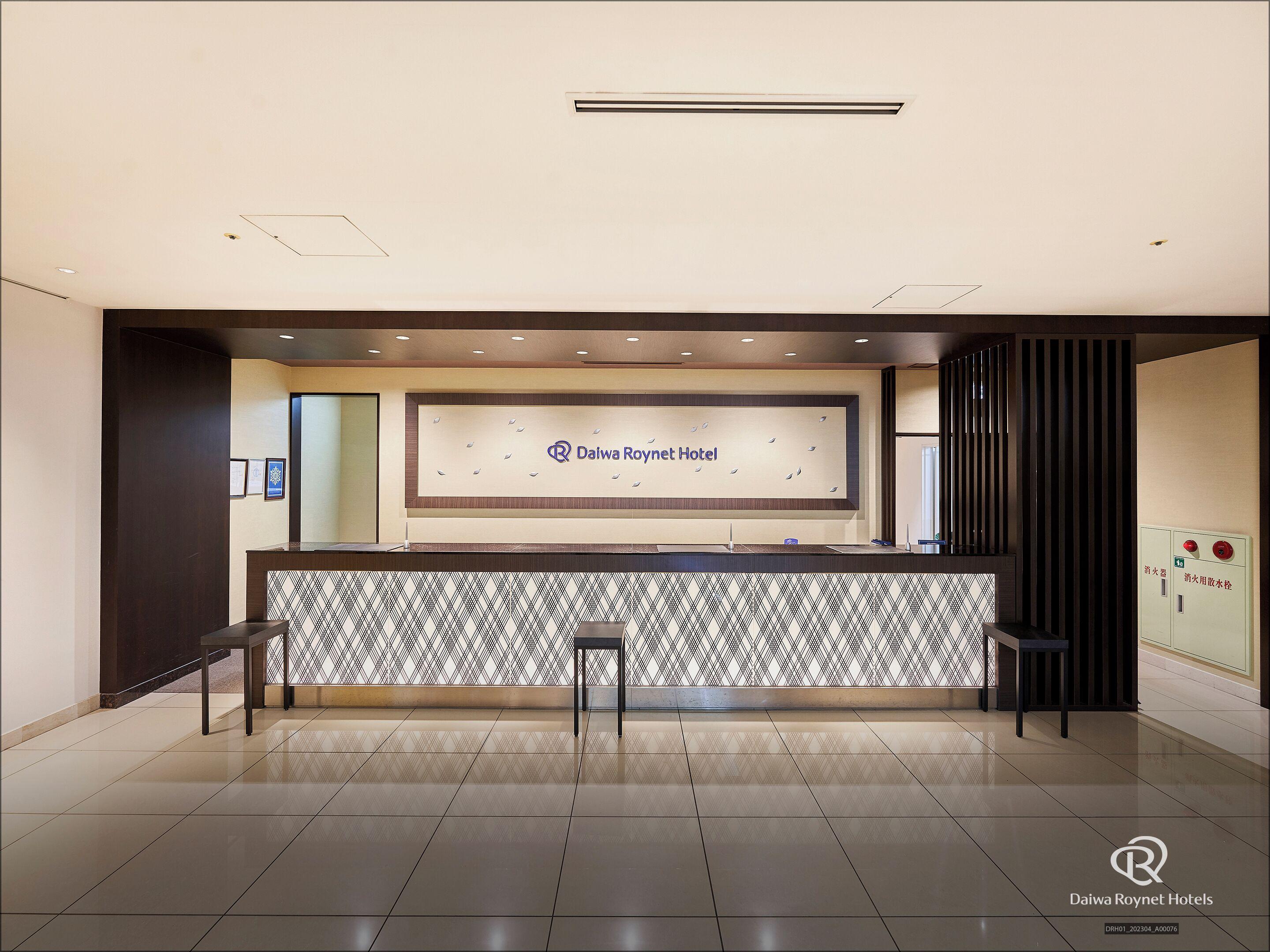
2. Daiwa Roynet Hotel Yokohama-Koen
Show on map


 Check-infrom 14:00 until 23:59Check-outuntil 11:00
Just a few rooms left at the best rate!
fromJP¥ 11031
-
3. Citadines Harbour Front Yokohama
Show on map


 Check-infrom 15:00 until 23:59Check-outuntil 11:00
Hurry – almost gone at this price!
fromJP¥ 10085
Best Premium Stays in Naka Ward
These two properties bring distinct identities to the premium tier - one a century-old landmark hotel on the waterfront, the other a full-service hot spring resort in the Minatomirai zone, both delivering experiences well beyond a standard Yokohama hotel stay.
-
4. Yokohama Minatomirai Manyo Club
Show on map


 Check-infrom 17:00 until 23:59Check-outuntil 11:00
Hurry – almost gone at this price!
fromJP¥ 22376
-
5. Hotel New Grand
Show on map


 Check-infrom 15:00 until 23:59Check-outuntil 11:00
Rooms filling fast – secure the best rate!
fromJP¥ 16388
Smart Travel & Timing Advice for Naka Ward
Naka Ward operates on a clear seasonal rhythm that directly affects both hotel pricing and the quality of the on-ground experience. Spring (late March to early May) is the most popular window, driven by cherry blossoms in Yamashita Park and Motomachi Park - hotel rates spike during this period and availability at central properties narrows quickly. Summer weekends from July through August draw large crowds to the Yokohama Sparkling Twilight fireworks events over the bay, which are visible from waterfront hotels but cause street congestion around Osanbashi and Yamashita Park. Autumn (October to mid-November) offers a quieter, cooler alternative with lower crowd density and more hotel availability, making it the most tactically sound period for travelers prioritizing value without sacrificing atmosphere. Chinese New Year, typically in late January or early February, transforms Chinatown into one of the most visually dramatic events in the Kanto region - book at least 8 weeks ahead for stays during that window. A 2-night minimum makes practical sense for Naka Ward given the volume of walkable attractions - Chinatown, Yamashita Park, Bashamichi, Red Brick Warehouse, and Osanbashi Pier - that reward unhurried exploration. Last-minute bookings in this district are viable during weekday winter stays (December through February, excluding New Year), when business travel drops and leisure demand softens noticeably.