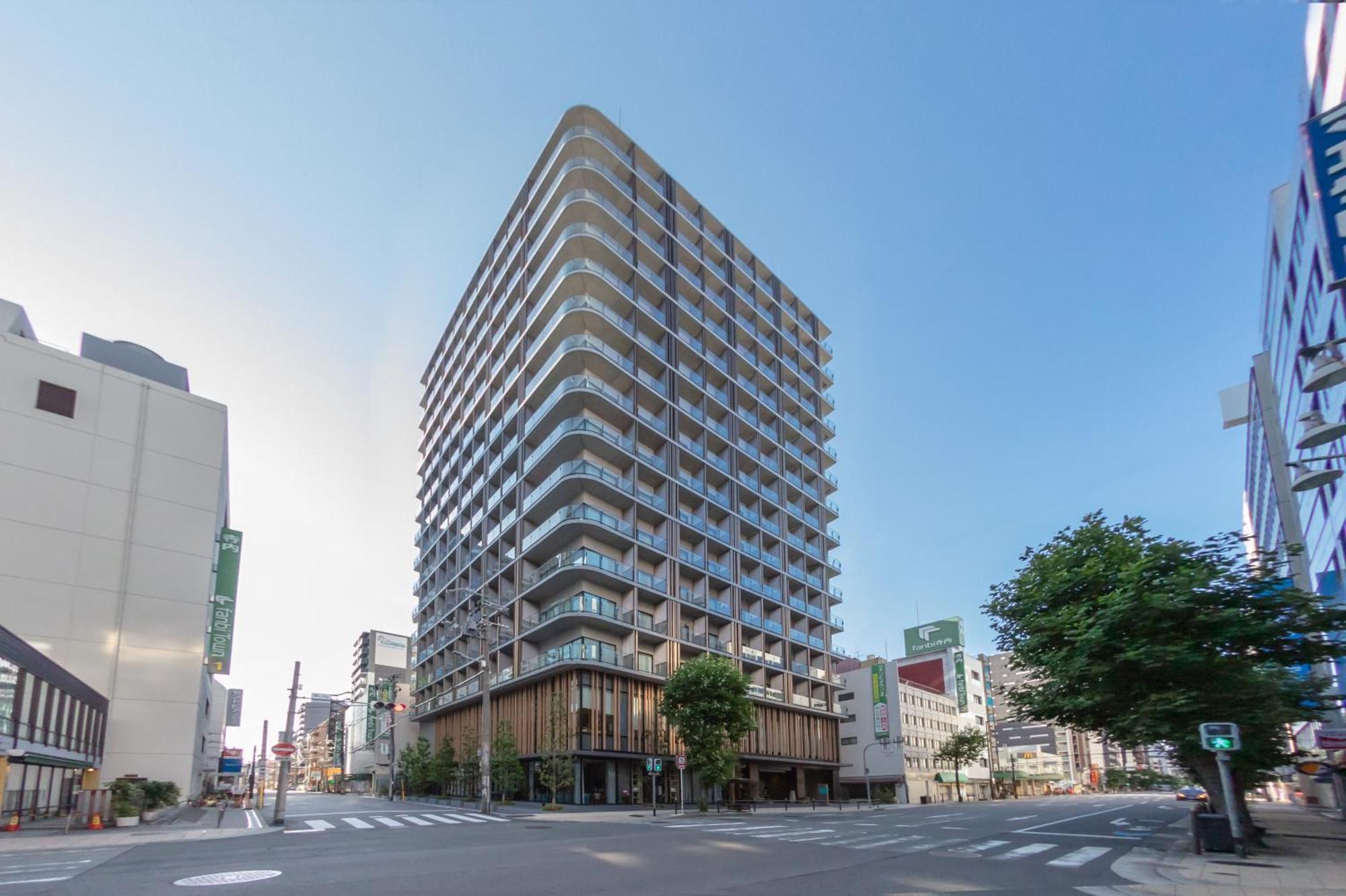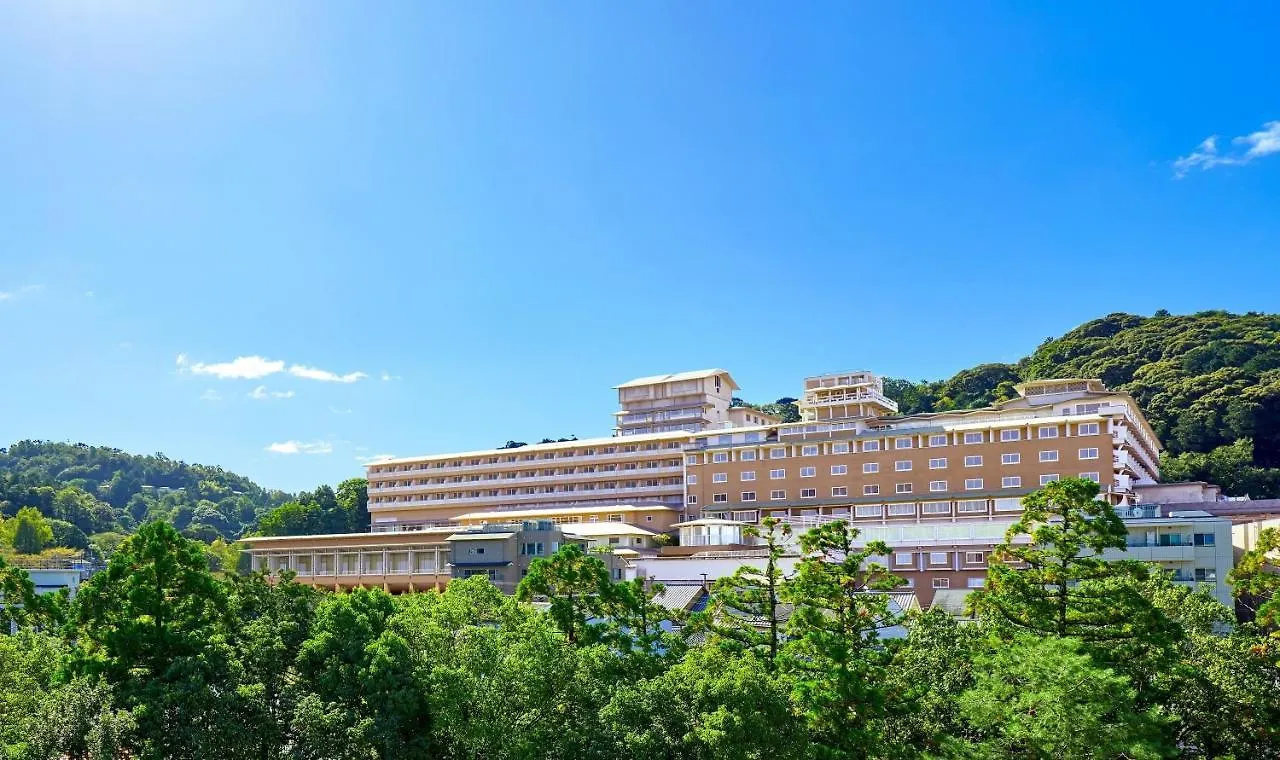
Higashiyama Ward sits along the eastern foothills of Kyoto, running from Kiyomizu-dera in the south to Nanzen-ji and the Philosopher's Walk in the north - a corridor of stone-paved lanes, wooden machiya facades, and some of the city's most visited temples. Choosing a luxury hotel here means trading central Kyoto convenience for immediate access to the historic district on foot, with most five-star properties positioned within a short walk of major shrines and gardens that draw millions of visitors each year.
What It's Like Staying in Higashiyama Ward
Higashiyama Ward operates on a completely different rhythm from Kyoto Station or downtown Kawaramachi. The main pedestrian lanes - Ninenzaka and Sannenzaka - fill with tourists by mid-morning and stay busy until early evening, but the side streets fall quiet after around 6 PM, giving the neighborhood an almost village-like stillness at night. Keage and Higashiyama stations on the Tozai Line connect you to central Kyoto in under 10 minutes, making day trips to other parts of the city entirely manageable without a car.
Staying here puts Kiyomizu-dera, Yasaka Shrine, Nanzen-ji, and the entire Higashiyama sightseeing trail within walking distance - no buses or taxis required for most mornings. The trade-off is that evening dining options thin out quickly once the tourist lanes close, and grocery stores and convenience infrastructure are sparser than in Gion or Karasuma.
Pros:
- Direct walking access to Kiyomizu-dera, Nanzen-ji, and Maruyama Park without transit
- Quiet evenings and early mornings on the stone-paved lanes before crowds arrive
- Tozai Line subway access at Keage or Higashiyama Station for city-wide connections
Cons:
- Daytime pedestrian congestion on Ninenzaka and Sannenzaka can slow movement significantly
- Limited late-night dining and convenience options compared to central Kyoto neighborhoods
- Taxi and rideshare availability is lower than near Kyoto Station or Gion Shijo
Why Choose a Luxury Hotel in Higashiyama Ward
Luxury hotels in Higashiyama Ward are not just selling rooms - they are selling proximity to a UNESCO-recognized historic landscape that cannot be replicated anywhere else in Japan. Properties in this zone typically position themselves around private gardens, hot spring baths, and spa facilities that justify rates often running well above the Kyoto city average, reflecting the premium on land and heritage atmosphere in this tightly zoned area. Unlike luxury hotels near Kyoto Station, which trade location for transport convenience, Higashiyama properties place guests inside the sightseeing corridor itself.
Room sizes at five-star Higashiyama hotels tend to be generous by Japanese city standards, with many properties offering garden-view rooms or suites that frame the surrounding hillside landscape. However, the same heritage zoning that preserves the district's character limits new construction, which means inventory stays constrained and rates spike sharply during cherry blossom and autumn foliage seasons - sometimes by around 60% above off-peak pricing.
Pros:
- Immediate access to the Higashiyama sightseeing trail before day-trippers arrive from other districts
- Properties offer Japanese wellness amenities - hot spring baths, onsen-style facilities, and spa treatments - integrated into the stay
- Garden-facing rooms and curated architecture that reflects Kyoto's historic aesthetic
Cons:
- Premium pricing, especially during sakura and koyo seasons, with limited last-minute availability
- Some properties have restricted vehicle access due to narrow historic streets
- Fewer walkable upscale dining options in the immediate vicinity compared to Gion or Karasuma Oike
Practical Booking & Area Strategy
The strongest micro-location within Higashiyama Ward for luxury stays is the stretch between Sanjo-dori and Chion-in, where properties sit close enough to Maruyama Park and Yasaka Shrine for evening walks, yet far enough from the Kiyomizu-dera tourist rush to maintain calm surroundings. Hotels positioned near Keage - the northeastern edge of the ward - benefit from direct Tozai Line access and proximity to Nanzen-ji, while remaining a manageable walk from the central Higashiyama trail.
Book at least 8 weeks in advance for cherry blossom season (late March to mid-April) and autumn foliage (mid-November), when Higashiyama becomes one of Kyoto's most photographed corridors and luxury room availability drops sharply. Outside these peaks, the area is accessible on shorter booking windows, particularly in July and August when summer heat reduces international demand. The free shuttle from JR Kyoto Station, offered by select properties, resolves the last-mile problem that makes some travelers hesitant about staying this far east - and the Tozai Line's Higashiyama and Keage stations cover the rest. Attractions directly accessible on foot include Kiyomizu-dera Temple, Ninenzaka and Sannenzaka lanes, Maruyama Park, Yasaka Shrine, Nanzen-ji Temple, and the Philosopher's Walk - collectively representing the most concentrated historic sightseeing route in Kyoto.
Best Value Luxury Stays
These hotels deliver five-star facilities and strong Higashiyama positioning at relatively competitive rates within the luxury segment, making them the sharper booking decisions for travelers prioritizing access and amenities over brand prestige alone.
-
1. The Westin Miyako Kyoto
Show on map


 Check-infrom 15:00 until 23:59Check-outuntil 12:00
Just a few rooms left at the best rate!
fromJP¥ 30255
-
2. Hyatt Regency Kyoto
Show on map


 Check-infrom 15:00 until 23:59Check-outuntil 12:00
Just a few rooms left at the best rate!
fromJP¥ 34352
-
3. The Hotel Higashiyama Kyoto Tokyu, A Pan Pacific Hotel
Show on map


 Check-infrom 14:00 until 23:59Check-outuntil 11:00
Hurry – almost gone at this price!
fromJP¥ 30255
-
4. Hotel Sui Kyoto Kiyomizu
Show on map


 Check-infrom 15:00 until 23:59Check-outuntil 11:00
Hurry – almost gone at this price!
fromJP¥ 13552
Best Premium Luxury Stays
These properties represent Higashiyama Ward's highest-tier luxury positioning, combining landmark architecture, exclusive wellness facilities, and curated garden or heritage settings that place them among Kyoto's most recognizable five-star addresses.
-
5. Four Seasons Hotel Kyoto
Show on map


 Check-infrom 15:00 until 23:59Check-outuntil 12:00
Rooms filling fast – secure the best rate!
fromJP¥ 9928
-
6. Banyan Tree Higashiyama Kyoto
Show on map


 Check-infrom 15:00 until 23:59Check-outuntil 12:00
Rooms filling fast – secure the best rate!
fromJP¥ 124015
Smart Travel & Timing Advice for Higashiyama Ward
Higashiyama Ward has two unmistakable demand peaks: cherry blossom season centered around late March to mid-April, and autumn foliage typically peaking in mid-November. During both windows, Ninenzaka and Sannenzaka fill to capacity by 9 AM, luxury hotel rates climb sharply, and availability at the five-star properties listed here can disappear weeks in advance. Book at least 8 weeks ahead for peak season if staying at the Four Seasons, Banyan Tree, or Westin Miyako - these properties have limited room counts and high repeat demand from international travelers.
The quietest - and often most rewarding - time to stay in Higashiyama is early February, when winter plum blossoms appear at Chion-in and crowds are at their annual low. Prices across the ward drop noticeably outside peak seasons, and the stone-paved lanes feel closer to their historic character without dense foot traffic. A minimum of 3 nights is worth planning for to cover the full Higashiyama trail at a considered pace - rushing Kiyomizu-dera, Nanzen-ji, the Philosopher's Walk, and Gion into a single day means missing the early-morning and late-evening light that defines the district. Last-minute bookings in summer (July-August) can yield availability at reduced rates, though heat and humidity make sightseeing more demanding during those months.